There’s a quiet hero in many kitchens, often overlooked but undeniably essential for anyone who loves to cook with fresh ingredients: the humble garlic press. This ingenious little gadget, designed to transform whole cloves into perfectly minced garlic with minimal effort, has become a staple for home cooks and professional chefs alike. If you’ve ever found yourself struggling with a knife to get that fine mince, or simply want to speed up your meal prep, understanding the ins and outs of the garlic press is a game-changer. Let’s peel back the layers and discover why this tool is a must-have, how to use it like a pro, and what to look for when choosing your next kitchen companion.
A Brief History of the Garlic Press: From Novelty to Necessity
For centuries, preparing garlic meant meticulous knife work, often leaving behind sticky, pungent fingers. The act of mincing garlic, while fundamental to countless cuisines, was a time-consuming chore. That all began to change in the early 20th century. While the exact inventor is debated, the first recognizable garlic press designs started appearing around the 1940s, evolving from simpler hand crushers. Its initial purpose was clear: to offer a quicker, cleaner, and more efficient way to incorporate fresh garlic into dishes. What started as a clever novelty quickly cemented its place as a kitchen necessity, particularly as home cooking became more accessible and diverse. It truly revolutionized how we approach this aromatic powerhouse, saving countless hours and a fair bit of hand washing.
Understanding Your Garlic Press: Anatomy and How It Works
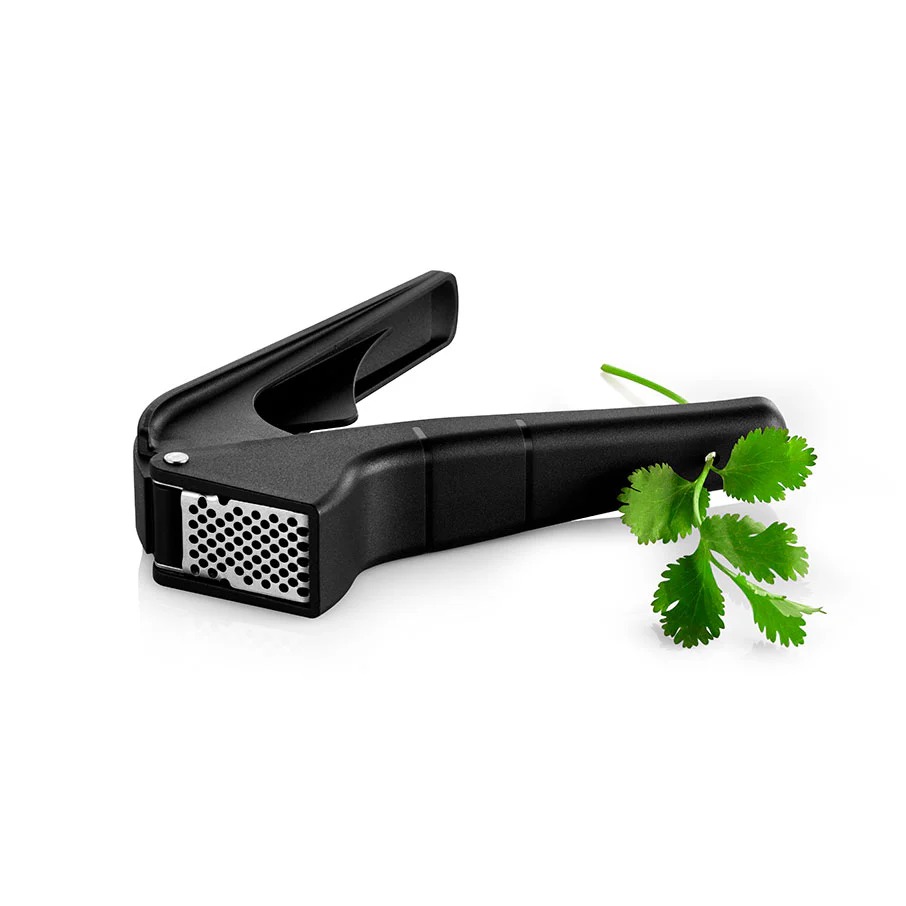
At its core, a garlic press is a beautifully simple piece of engineering. Most traditional models consist of two hinged handles, much like a nutcracker. One handle typically features a small chamber or basket designed to hold the garlic clove, while the other handle is equipped with a solid plunger or a complementary part of the lever system. Directly opposite the chamber is a perforated plate with numerous small holes.
The magic happens when you apply pressure. As you squeeze the handles together, the plunger pushes the garlic clove through the perforated plate. This action forces the garlic meat through the tiny holes, instantly transforming it into fine, uniform pieces of minced garlic. The skin, if you’re using unpeeled cloves, often remains in the chamber, making cleanup surprisingly straightforward for certain models. The design ensures that you extract maximum flavor and juice from the garlic, distributing its pungent essence evenly throughout your dishes without the inconsistent chunks that can sometimes result from knife mincing.
Mastering the Garlic Press: A Step-by-Step Usage Guide
Using a garlic press is incredibly intuitive, but a few pointers can elevate your experience and ensure you get the best results every time.
- Preparation is Key:
- Peeled vs. Unpeeled: Many modern garlic presses are robust enough to handle unpeeled garlic. If yours is, simply place a whole, unpeeled clove (or two, if they fit) into the chamber. The peel will largely remain in the basket. If your press struggles with unpeeled garlic, or if you prefer a cleaner process, quickly peel the cloves first. A quick smash with the flat side of your knife blade makes peeling a breeze.
- Size Matters: Don’t overload the chamber. If you have very large cloves, consider cutting them in half to ensure an even press and prevent straining the device.
- Positioning the Clove: Place the garlic clove(s) firmly within the designated chamber. Make sure it sits snugly to allow for optimal compression.
- The Squeezing Technique:
- Grip the handles firmly and apply steady, even pressure. Avoid sudden, jerky movements. You’ll feel the garlic resistance, then a smooth push as it extrudes.
- “As a culinary consultant for Smart Kitchen,” states Chef Isabella Rossi, Culinary Innovation Lead, “I’ve seen countless kitchen tools come and go, but the garlic press has stood the test of time. It’s a simple device that profoundly impacts efficiency and consistency in the kitchen, making it a truly smart investment for any home cook.”
- Extracting the Minced Garlic: Once squeezed, the finely minced garlic will emerge from the perforated plate. Use the edge of a knife, a small spoon, or a scraper to collect the garlic directly into your pan or mixing bowl. For models that handle unpeeled garlic, simply open the handles, and the empty peel should be easy to flick into the bin.
Pro Tips for Expanding Your Garlic Press Horizons
Did you know your garlic press isn’t just for garlic? It can be a surprisingly versatile kitchen tool:
- Ginger Press: Small pieces of peeled ginger can be pressed to add a spicy kick to stir-fries, teas, or dressings.
- Capers/Olives: Pressing capers or small olives can create a fine paste for tapenades or sauces.
- Anchovy Paste: For a quick boost of umami, press a small anchovy fillet.
Beyond the Basics: Expert Tips and Tricks for Your Garlic Press
While the primary function of a garlic press is straightforward, there are a few nuanced approaches that can help you get the absolute most out of this handy tool. These small adjustments can improve the flavor profile of your dishes, minimize waste, and streamline your cooking process even further.
First, consider the type of garlic you’re using. Fresher garlic tends to press more easily and yields more juice and aromatic compounds. Older, drier garlic might require a bit more effort and produce a slightly coarser mince. If you find your press struggling, it might be a sign to replenish your garlic supply.
When aiming for maximum flavor, try pressing garlic directly into hot oil or butter at the beginning of your cooking process. This allows the freshly released garlic oils to infuse immediately, developing a richer, more profound garlic flavor profile for your dish. However, be mindful of overheating; pressed garlic cooks quickly and can burn easily, turning bitter. A gentle sizzle is what you’re after.
Dealing with those stubborn peels, especially if you’re pressing unpeeled cloves, can sometimes be a minor annoyance. Many high-quality garlic press models come with a small cleaning pin or a textured area on one handle designed to push out the residual peel and any trapped garlic bits. If yours doesn’t, a sturdy toothpick or the tip of a small brush works wonders. Don’t underestimate the value of a quick post-press scrape to get every last bit of that precious garlic into your dish.
For those who cook in smaller quantities, pressing half a garlic clove at a time is perfectly acceptable. You don’t always need a full clove’s worth of garlic, and a good garlic press allows for this precision, preventing waste. This is particularly useful in delicate sauces or dressings where just a hint of garlic is desired. Some presses even have smaller chambers designed for single cloves or half-cloves.
Lastly, remember that the speed at which you press can influence the texture. A slower, more controlled press tends to produce a finer, more consistent paste, extracting more liquid. A quick, forceful squeeze might leave slightly larger fragments, though still much finer than hand-mincing. Experiment with both to see which result best suits your culinary needs for different recipes.
Keeping It Pristine: Essential Maintenance and Cleaning for Your Garlic Press
A clean garlic press is a happy garlic press, and more importantly, an effective one. Garlic residue, if left to dry, can become incredibly stubborn, clogging the holes and making future use difficult. Proper cleaning ensures longevity and optimal performance.
The golden rule for any kitchen tool that handles sticky ingredients is immediate cleaning. As soon as you’ve finished pressing your garlic, rinse the press under hot running water. This will wash away most of the fresh garlic bits before they have a chance to harden and stick.
For a thorough clean:
- Scrape Away Residue: Use a small brush, a cleaning pin (if your press came with one), or even an old toothbrush to dislodge any garlic pulp or peel stuck in the chamber or, crucially, in the tiny holes of the perforated plate.
- Soak (if needed): If garlic has dried in place, a short soak in warm, soapy water can work wonders to loosen it.
- Dishwasher Safe? Many modern garlic press models, especially those made from stainless steel, are dishwasher safe. However, always check the manufacturer’s instructions. Even if it is dishwasher safe, a quick manual scrub of the perforated plate beforehand can prevent long-term buildup.
- Hand Washing: If hand washing, use a sponge or brush with dish soap. Pay close attention to the crevices and the holes.
- Rinse Thoroughly: Ensure all soap residue is rinsed off.
- Dry Properly: Allow the garlic press to air dry completely or dry it with a towel before storing to prevent water spots or, more importantly, rust on metal parts.
Proper storage is also important. Keep your garlic press in a drawer or on a utensil holder where it won’t get bent or damaged. Regular maintenance of your kitchen tools ensures they are always ready for your next culinary adventure.
Why Every Kitchen Needs One: The Undeniable Benefits of a Garlic Press
The garlic press might seem like a niche gadget, but its benefits are far-reaching, making it a truly indispensable tool for almost any home cook.
- Time-Saving Efficiency: This is perhaps the most obvious advantage. What might take several minutes of careful knife work can be done in mere seconds with a press. For busy weeknights or large meal preparations, this speed is invaluable.
- Consistent Texture and Flavor Distribution: The fine, uniform mince produced by a garlic press ensures that garlic flavor is distributed evenly throughout your dish. Unlike hand-minced garlic, which can sometimes result in uneven chunks, pressed garlic melts into sauces and blends seamlessly into mixtures, preventing overpowering bites of raw garlic.
- Reduced Hand Odor: Handling raw garlic inevitably leaves a strong, lingering scent on your fingers. A garlic press significantly minimizes direct contact, helping to keep your hands much cleaner and less odorous.
- Accessibility for All Skill Levels: Whether you’re a beginner cook intimidated by knife skills or someone with limited dexterity, a garlic press offers an easy and safe way to prepare garlic without the risk of cuts or uneven results.
- Minimizing Waste: Many presses are designed to extract almost every bit of usable garlic from the clove, leaving behind only the papery skin (if pressing unpeeled). This maximizes yield and reduces food waste.
- Enhanced Flavor (for some dishes): Some culinary experts argue that pressing garlic ruptures more cell walls than mincing, releasing a more intense and pungent garlic flavor. While this can be a matter of preference depending on the dish, it certainly offers a powerful aromatic punch when desired.
For anyone who values convenience, consistency, and clean hands in the kitchen, a garlic press is more than just a gadget; it’s an enhancement to the entire cooking experience.
Choosing Your Perfect Partner: Exploring Different Garlic Press Types
When it comes to selecting a garlic press, you’ll find a few distinct types, each with its own advantages. Understanding these differences will help you choose the best one for your cooking style and preferences.
Traditional Lever-Style Garlic Press
This is the most common and recognizable type, often made from stainless steel, aluminum, or durable plastic. It features two handles, a chamber for the garlic, and a perforated plate.
- Pros: Highly efficient for quick mincing, good leverage, many models handle unpeeled garlic, widely available.
- Cons: Can be challenging to clean if garlic dries in the holes, some cheaper models may be less durable.
Rocker Garlic Presses
A more modern design, the rocker press is a curved, perforated plate with handles on either side. You place a peeled garlic clove under it and rock it back and forth to crush and mince the garlic.
- Pros: Often very easy to clean (just scrape off the garlic and rinse), compact storage, less strenuous for some users.
- Cons: Requires garlic to be peeled first, can sometimes leave larger pieces than a lever press, might require more manual effort to get a fine mince.
Twist and Chamber Presses
These are less common but offer an alternative. Twist presses typically involve twisting two parts together to grate the garlic. Chamber presses push garlic through a tube using a plunger.
- Pros: Can be very compact, sometimes easier to clean.
- Cons: Often slower, may require more effort, less efficient for multiple cloves.
What to Look for When Choosing
Regardless of the type, keep these factors in mind:
- Material: Stainless steel is highly recommended for durability, rust resistance, and ease of cleaning. Aluminum can be good but might corrode over time if not properly cared for. Heavy-duty plastic is an option for budget-friendly choices.
- Comfort and Grip: The handles should feel comfortable in your hand and offer good leverage, especially if you plan to press unpeeled garlic or large quantities.
- Ease of Cleaning: Look for models with wider chambers, non-stick coatings, or built-in cleaning tools. Removable baskets can also make cleaning easier.
- Durability: A robust construction means your garlic press will withstand repeated use without bending or breaking. Look for solid connections at the hinge points.
- Capacity: Consider how many cloves you typically mince at once. Some presses can handle multiple cloves, while others are designed for one.
Investing in a high-quality garlic press means investing in years of effortless garlic preparation, making your time in the kitchen more enjoyable and efficient.
Frequently Asked Questions About Garlic Presses
Is it better to press or mince garlic with a knife?
Both methods have their merits. Pressing garlic typically yields a finer, more consistent paste, releasing more potent flavor compounds which can be desirable in many sauces and dressings. Mincing with a knife can offer a slightly coarser texture and a milder flavor, preferred in some dishes where you want discrete garlic pieces. For speed and consistency, the garlic press is often superior.
Can you put unpeeled garlic in a garlic press?
Yes, many modern and well-designed garlic press models are capable of pressing unpeeled garlic cloves. The papery skin usually remains in the chamber, making cleanup surprisingly easy. Always check the manufacturer’s instructions for your specific model.
How do I clean a garlic press effectively?
The best way to clean a garlic press is immediately after use. Rinse it under hot running water, then use a small brush (many presses come with one) or a toothpick to clear any garlic bits from the holes and crevices. Many stainless steel presses are also dishwasher safe.
What else can I use a garlic press for?
Beyond garlic, a garlic press can be used to mince small pieces of peeled ginger, press capers or small olives for pastes, or even create a fine anchovy paste. It’s a versatile tool for finely processing small, soft ingredients.
Are all garlic presses the same?
No, there’s a significant difference in quality, design, and functionality. Differences include material (stainless steel vs. aluminum), ease of cleaning, ability to press unpeeled garlic, and overall durability. Investing in a higher-quality garlic press often pays off in performance and longevity.
How long do garlic presses last?
A well-made garlic press, particularly one constructed from high-quality stainless steel, can last for many years, even decades, with proper care and maintenance. Cheaper models made from less durable materials might only last a year or two.
Does pressing garlic change its flavor?
Yes, to an extent. The intense crushing action of a garlic press ruptures more cell walls than traditional knife mincing. This releases a higher concentration of allicin, the compound responsible for garlic’s pungent flavor and aroma. The result is often a more intense and sharper garlic flavor compared to finely minced garlic.
Conclusion
The garlic press stands as a testament to intelligent kitchen design, transforming a once tedious task into a swift and satisfying step in meal preparation. For “Nhà Bếp Thông Minh” (Smart Kitchen), this tool perfectly embodies our commitment to efficiency, innovation, and culinary excellence. It’s not just about speed; it’s about achieving consistent, flavorful results with minimal fuss, ensuring that every dish you create benefits from the rich, aromatic essence of fresh garlic. Embrace the power of a quality garlic press in your kitchen, and you’ll soon wonder how you ever cooked without it. It’s a smart investment that pays dividends in both time saved and delicious meals created. So, go ahead, press on, and elevate your cooking to new aromatic heights!