Garlic is the heart and soul of countless dishes, infusing them with its irresistible aroma and pungent flavor. While mincing garlic with a knife is a classic technique, the humble Manual Garlic Press offers a fantastic shortcut, transforming whole cloves into a consistent, finely textured mince with remarkable ease. For home cooks and culinary enthusiasts alike, mastering this simple tool can dramatically elevate your kitchen efficiency and the flavor profile of your meals.
A Brief History of the Manual Garlic Press: From Bicycle Brakes to Kitchen Staple
The journey of the modern garlic press began in 1948, thanks to the ingenuity of a Swiss bicycle mechanic named Karl Zysset. Drawing inspiration from the leverage principle of bicycle brakes, Zysset developed the first dedicated tool for crushing garlic cloves efficiently. His invention, originally dubbed the “Susi 3,” revolutionized garlic preparation, offering a way to mince garlic quickly and without the lingering odor on hands that often accompanies manual chopping. Zysset went on to found the Zyliss company in 1951, which popularized this innovative kitchen gadget globally. While earlier rudimentary pounding tools existed, Zysset’s design, with its contained chamber and optimized plunger, set the standard for the manual garlic presses we know and love today.
Understanding the Mechanics: How a Manual Garlic Press Works
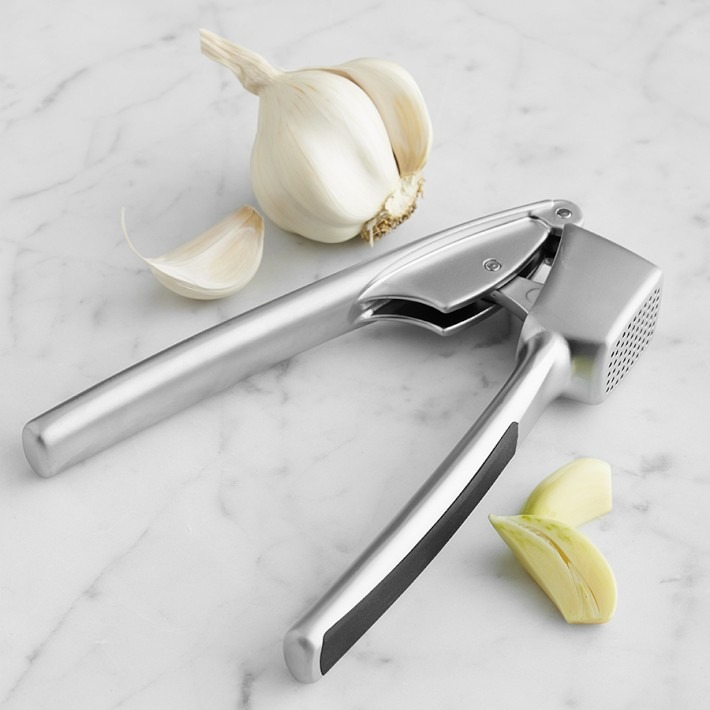
At its core, a manual garlic press is a marvel of simple engineering, designed to exert maximum force with minimal effort. It typically consists of a sturdy frame with two handles connected by a hinge, much like a nutcracker. At one end, you’ll find a small chamber, or “hopper,” where you place your garlic clove. Opposite this chamber is a perforated screen, usually a metal plate with numerous small holes. When you squeeze the handles together, a plunger pushes the garlic against this screen, forcing the pulp and juice through the tiny perforations. The fibrous skin remains trapped in the chamber, leaving you with finely minced garlic ready for your dish. This lever-action design amplifies the pressure, efficiently rupturing the garlic’s cell walls and releasing its potent flavor compounds.
Why Choose a Manual Garlic Press? Unlocking a World of Benefits
Embracing a manual garlic press in your kitchen brings a host of advantages that can make cooking more enjoyable and your dishes more delicious.
- Time-Saving and Efficiency: Crushing garlic with a press is significantly faster than mincing it by hand, especially when your recipe calls for multiple cloves. You can prepare garlic in mere seconds, streamlining your meal prep.
- Uniform Mince: The press creates a consistent, fine purée, ensuring even distribution of garlic flavor throughout your dish. This uniformity is particularly beneficial for sauces, dressings, and marinades where a smooth texture is desired.
- Intensified Flavor: The mechanical action of pressing ruptures more garlic cells than chopping, releasing allicin, the compound responsible for garlic’s characteristic pungent aroma and robust flavor. This leads to a more intense garlic taste, perfect for dishes where garlic is meant to shine.
- No Smelly Hands: One of the most appreciated benefits is minimizing direct contact with garlic, preventing that strong, lingering odor from transferring to your hands.
- Kid-Friendly: Without the need for sharp knives, a garlic press offers a safe way to get younger family members involved in meal preparation, making cooking a fun and interactive activity.
- Versatility: Beyond garlic, many presses can also handle ginger, small nuts, olives, or even anchovies, making them a surprisingly versatile tool.
Master Your Manual Garlic Press: A Step-by-Step Guide to Perfect Mincing
Using a manual garlic press is straightforward, but a few tips can help you get the best results every time.
- Preparation is Key (Mostly): While some presses can handle unpeeled cloves, peeling them first generally leads to a cleaner press and a better yield of garlic. Simply separate a clove from the bulb and trim any dry ends.
- Place Your Cloves: Open the handles of your garlic press and place one to three cloves into the hopper, depending on its size. Ensure they lie flat against the perforated screen for optimal pressing.
- Apply Steady Pressure: Position the press over a cutting board, bowl, or directly into your pan. Grasp both handles firmly and squeeze them together with steady, even pressure. You might need to use two hands for larger or tougher cloves.
- Scrape and Collect: Once the garlic has been extruded, open the handles. Use the back of a knife or a small spoon to scrape the minced garlic from the screen. Discard any remaining skins from the hopper.
- Immediate Use: For the freshest and most pungent flavor, use your pressed garlic immediately in your recipe to preserve its volatile oils.
Types of Manual Garlic Presses: Finding Your Perfect Match
The world of manual garlic presses offers a few variations, each with its own advantages. When browsing the options, you’ll likely encounter three main styles:
Traditional Lever Press
This is the most common design, featuring two hinged handles that you squeeze together to push garlic through a screen. They often come in durable materials like stainless steel or die-cast aluminum. Many models, such as the classic Zyliss Susi 3, exemplify this type, providing robust construction and ease of use. The category includes many such reliable lever-action presses designed for everyday kitchen tasks.
Num
Product
Action
1
Kitessensu High Effective Garlic Press With Studs, Heavy Duty Garlic Mincer, Easy to Squeeze and Clean, Rust Proof & Dishwasher Safe, Ginger Crusher- Imperial Silver

2
No Peeling Required Garlic Press Stainless Steel with Detachable Handle for Fine Mincing-Premium Garlic Mincer Tool, Rust-Proof, Easy to Clean, Dishwasher Safe Garlic Crusher with Lifetime Replacement
3
Zulay Kitchen Premium Garlic Press Set - Rust Proof Professional Garlic Mincer Tool - Easy-Squeeze, Easy-Clean with Soft, Ergonomic Handle - Silicone Garlic Peeler & Brush (Silver)
4
Garlic Press, Premium Rust Proof Kitchen Garlic Mincer Crusher Squeezer with Ergonomic handle, Ginger Crusher with Good Grip, Easy to Clean, Dishwasher Safe
5
OXO Good Grips Heavy Duty Garlic Press, Die-Cast Zinc, Black
6
250ml Electric Garlic Chopper, Portable Garlic Press, Wireless Mini Food Processor, Rechargeable Garlic Chopper Mincer for Ginger, Chili, Onion, Minced Meat and Spices (Green)
7
GORILLA GRIP Garlic Press and Peel Set, Heavy Duty Mincer Tool, Large Ergonomic Handle, Easily Mince, Crush Garlics Ginger Nuts, Peeler Included for Peeling Cloves, Holiday Prep Kitchen Gadgets, Black
8
Zulay Kitchen Large Premium Garlic Press Set - Bigger Bowl for Bigger Garlic - Rust Proof Garlic Mincer Tool - Easy-Squeeze, Easy-Clean Silicone Garlic Peeler & Brush (Silver)
9
Kitchen Garlic Press, Rust Proof & Dishwasher Safe Garlic Mincer, Durable Garlic Crusher Set with Peeler&Brush, Easy to Clean and Squeeze, Matte
10
OXO Good Grips Stainless Steel Garlic Press
Rocker Press
A newer, innovative design, the rocker press is a curved, arch-shaped tool, usually made from stainless steel, with perforations on its underside. Instead of squeezing, you place a garlic clove on a cutting board, position the rocker over it, and apply downward pressure while rocking it back and forth. This motion crushes and minces the garlic, leaving the skins behind. Rocker presses often require less hand strength and are celebrated for their minimal moving parts, making them easy to clean and store.
Twister Press
Less common but still available, twister presses employ a rotary mechanism. You place garlic cloves inside and twist one component against another to grind the garlic into a paste. These can produce a very fine consistency and may appeal to those who prefer a twisting motion over squeezing.
When choosing, consider materials like stainless steel for durability and rust resistance, as recommended by the American Kitchenware Association for frequent users. Look for comfortable, non-slip handles and a hopper size that fits your typical needs—some can handle multiple cloves at once, while others are best for single cloves.
Choosing Your Ideal Manual Garlic Press: What to Look For
Selecting the right manual garlic press can significantly enhance your cooking experience. Here’s what to consider to ensure you pick a winner:
- Material:
- Stainless Steel: Highly durable, resistant to rust and corrosion, and generally easy to clean. Stainless steel presses tend to be more hygienic as they are non-porous and less likely to retain odors or stains. They offer excellent longevity, often lasting 5-7 years with proper care.
- Aluminum: Lighter and more affordable, making them a popular choice for budget-conscious cooks. However, some aluminum presses can react with dishwasher detergents, potentially leading to discoloration or a grayish residue.
- Hopper Size: A spacious hopper that can accommodate different sizes of garlic cloves, or even multiple cloves at once, will save you time and effort.
- Ergonomic Handles: Look for handles that are sturdy, well-designed, and comfortable to grip. Features like padded or non-slip grips reduce hand strain, especially if you’re pressing many cloves. An optimal leverage ratio, around 3:1, can make a significant difference in ease of use.
- Mesh Plate: The fineness of the holes on the mesh plate determines the texture of your minced garlic. Smaller holes produce a finer mince, while larger holes might result in a slightly chunkier texture. Some models offer removable mesh plates for easier cleaning.
- Ease of Cleaning: This is a crucial factor. Many modern manual garlic presses come with integrated cleaning tools, such as small brushes or pins, or even self-cleaning mechanisms that push out residue. Dishwasher-safe models are convenient, but be aware of potential discoloration with aluminum.
Keeping Your Press Pristine: Essential Manual Garlic Press Care and Maintenance
Cleaning a garlic press can sometimes feel like a chore, but proper care is essential for its longevity and performance.
- Rinse Immediately: The golden rule of garlic press cleaning is to rinse it under warm running water as soon as you’re done using it. This prevents garlic residue from drying and hardening in the small holes, making it much easier to remove.
- Soak If Needed: For stubborn, dried-on bits, soak your press in warm, soapy water for 10-15 minutes to soften the residue.
- Scrub Gently: Use a small, soft-bristled brush (an old toothbrush works wonders) to dislodge any trapped garlic from the screen and hinges. Some presses include a dedicated cleaning tool for this purpose.
- Addressing Dishwasher Residue: If your aluminum press develops a grayish residue from the dishwasher, soaking it in a solution of boiling water and cream of tartar or vinegar can help dissolve the residue and restore its shine.
- Dry and Store Properly: After washing, rinse the press thoroughly and dry it immediately to prevent water spots or rust, especially for stainless steel models. Store it in a dry, cool place to avoid corrosion.
“A well-maintained manual garlic press isn’t just a convenience; it’s an investment in countless flavorful meals,” notes Chef Lena Petrova, a culinary consultant for Smart Kitchen. “By following these simple cleaning and maintenance steps, you ensure your press performs optimally for years, delivering that consistent, pungent garlic kick we all love.”
The Great Debate: Manual Press vs. Knife Mince – A Flavor Showdown
The culinary world often debates the merits of pressed garlic versus knife-minced garlic. It largely boils down to personal preference and the desired outcome for your dish.
When garlic is pressed, the extensive crushing releases more allicin, leading to a more pungent, intense flavor. Some chefs, like the late Anthony Bourdain, famously called garlic presses “abominations,” arguing they mishandle garlic by releasing acrid compounds. Similarly, acclaimed food writer Elizabeth David considered them “utterly useless,” preferring the nuanced flavor of hand-minced garlic.
However, others champion the press. Cook’s Illustrated, for instance, suggests that “a good garlic press can break down cloves more finely and evenly than an average cook using a knife, which means better distribution of garlic flavor throughout any given dish.” Raw-foods chef Renée Underkoffler even claims that pressed garlic has a “lighter, more delicate flavor” because it excludes the bitter center stem.
Ultimately, the choice depends on your recipe and palate. For quick flavor infusion, sauces, or when you want a strong garlic presence, the press excels. For dishes requiring a milder, more subtle garlic note or distinct garlic pieces, knife mincing might be preferred.
Conclusion
The manual garlic press is far more than a simple gadget; it’s a testament to how intelligent design can transform everyday cooking tasks. From its unexpected origins in a Swiss bicycle shop to its position as a go-to tool for home cooks, the manual garlic press offers unmatched efficiency, consistent results, and intensely flavorful garlic without the fuss.
Whether you’re whipping up a quick weeknight dinner or experimenting with new recipes, a reliable manual garlic press can be your secret weapon, ensuring that the vibrant, aromatic essence of garlic is always within easy reach. So, embrace the power of the press, experiment with its versatility, and get ready to infuse your culinary creations with unparalleled garlic goodness. Your taste buds will thank you!