Step into any modern kitchen, and you’ll find a sleek array of appliances and gadgets designed for efficiency and convenience. Yet, there’s a growing appreciation for tools from a bygone era, items that whisper tales of durability and craftsmanship. Among these cherished relics, the vintage garlic press stands out. More than just a tool for crushing cloves, a vintage garlic press represents a blend of history, robust engineering, and timeless aesthetic appeal that continues to captivate home cooks and collectors alike. It’s not merely about nostalgia; it’s about rediscovering a kitchen essential that often outshines its contemporary counterparts in both performance and longevity.
|
Our Picks for the Best Garlic Press in 2026
As an Amazon Associate I earn from qualifying purchases.
|
||
| Num | Product | Action |
|---|---|---|
| 1 | KITCHENDAO Heavy-Duty Garlic Press with Built-in Scraper & Cleaning Pusher, No Peeling Garlic Crusher with Large Chamber, Zinc Alloy Garlic Mincer, Dishwasher Safe |

|
| 2 | Vantic Garlic Press Rocker - Stainless Steel Garlic Crusher, Mincer and Chopper with Peeler & Scraper, Easy Kitchen Gadget for Effortless Smashing |
|
| 3 | Kitchen Garlic Press, Rust Proof & Dishwasher Safe Garlic Mincer, Durable Garlic Crusher Set with Peeler&Brush, Easy to Clean and Squeeze, Matte |
|
| 4 | No Peeling Required Garlic Press Stainless Steel with Detachable Handle for Fine Mincing-Premium Garlic Mincer Tool, Rust-Proof, Easy to Clean, Dishwasher Safe Garlic Crusher with Lifetime Replacement |
|
| 5 | OXO Good Grips Heavy Duty Garlic Press, Die-Cast Zinc, Black |
|
| 6 | Zulay Kitchen Premium Garlic Press Set - Rust Proof Professional Garlic Mincer Tool - Easy-Squeeze, Easy-Clean with Soft, Ergonomic Handle - Silicone Garlic Peeler & Brush (Silver) |
|
| 7 | Kitessensu High Effective Garlic Press With Studs, Heavy Duty Garlic Mincer, Easy to Squeeze and Clean, Rust Proof, Ginger Crusher- Imperial Silver |
|
| 8 | Kuhn Rikon Epicurean Garlic Press, Stainless Steel, 6.5 x 1 x 1.5 inches, Silver |
|
| 9 | Garlic Press Stainless Steel,Premium Garlic Mincer Tool,No Need to Peel Garlic Ginger Crusher & Masher Easy Squeeze Large Trough Ergonomic Handle,Rust Proof,Dishwasher Safe (5 Years Warranty) |
|
| 10 | GORILLA GRIP Garlic Press and Peel Set, Heavy Duty Mincer Tool, Large Ergonomic Handle, Easily Mince and Crush Garlics, Ginger, Nuts, Seeds, Peeler Included, Peeling Cloves, Kitchen Gadgets, Black |
|
The Enduring Legacy: A Brief History of the Garlic Press
Before the advent of dedicated tools, preparing garlic was a simple, albeit aromatic, affair. Cooks relied on sharp knives for mincing or rudimentary pounding tools to achieve a paste. The process was effective but messy, often leaving lingering odors on hands. The first significant step toward a specialized tool came in 1945 with an American inventor named Soloman Green, who patented a design for a handled garlic press. However, the true revolution in garlic preparation arrived in 1948, courtesy of Karl Zysset, a Swiss bicycle mechanic from Lyss. Inspired by the practical design and leverage principle of bicycle brakes, Zysset developed a groundbreaking tool that could crush unpeeled garlic cloves efficiently and without direct hand contact. This ingenious invention, initially named the “Susi 3,” paved the way for the Zyliss company, founded by Zysset in 1951, which would popularize the garlic press globally. His innovation marked a milestone in kitchen utensil design, making garlic preparation quicker, cleaner, and more accessible for everyone.
What Makes a Garlic Press “Vintage”? Identifying Key Characteristics
When we talk about a vintage garlic press, we’re generally referring to models produced before the widespread dominance of plastic components, typically pre-1990s. These older tools often boast distinct characteristics that set them apart:
- Materials: The hallmark of many a vintage garlic press is its construction from heavy-duty, durable materials. Cast aluminum is exceptionally common, known for its strength and relatively light weight. You’ll also find models made from iron or robust stainless steel, often with a satisfying heft. These materials contrast sharply with the lighter, often less durable plastics used in many modern presses.
- Design and Craftsmanship: Vintage models prioritize function and longevity. Their designs are often simpler, yet incredibly effective, with strong hinge points and sturdy handles built to withstand years of rigorous use. Some innovative vintage garlic press designs even featured self-cleaning mechanisms, where a set of blunt pins would push through the perforated basket, clearing out any trapped pulp.
- Iconic Brands: Certain brands became synonymous with quality vintage garlic presses. Zyliss, particularly its “Susi” models, is highly sought after. Other notable names include Brevettato (often proudly marked “Made in Italy”), Heller Hostess Ware, older Tupperware models, Ekco, and Ritter. These brands represent a commitment to durable, practical kitchenware.
- Aesthetic Appeal: Beyond their utility, these tools possess a certain charm. Their classic lines and sometimes aged patina add character to any kitchen, serving as conversation pieces or cherished elements in a retro-themed decor.
Beyond Nostalgia: Why a Vintage Garlic Press Still Shines in Your Kitchen
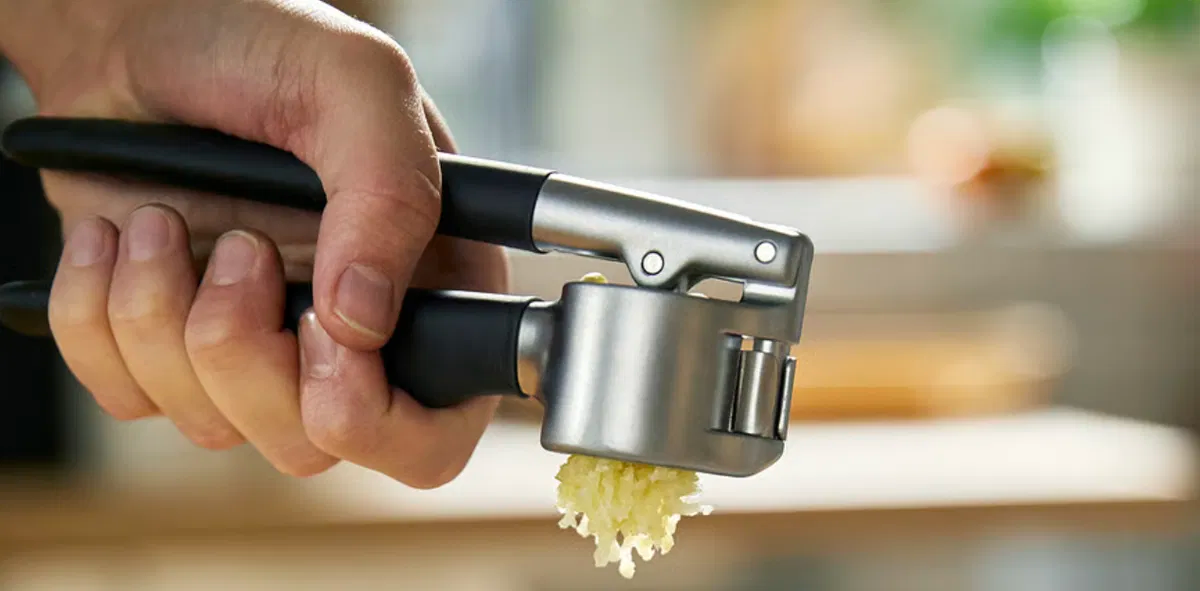
While the allure of a vintage garlic press might initially be nostalgic, its continued relevance in a contemporary kitchen goes far beyond sentimentality.
- Unmatched Durability and Build Quality: Unlike many modern counterparts that might falter under heavy use, a well-maintained vintage garlic press is built to last. Their solid construction means they can withstand the test of time, often outliving several generations of newer, flimsier models.
- Superior Crushing Efficiency: Many older designs, perfected through years of use, offer exceptional leverage and a well-engineered piston, allowing for a remarkably fine and even crush with minimal effort. This means more garlic flavor is released into your dishes.
- Timeless Aesthetic: A vintage garlic press adds a touch of classic elegance and warmth to your kitchen decor. It’s a functional piece of art that tells a story, making your cooking space feel more personal and inviting.
- Sustainable Choice: Opting for a vintage garlic press is an inherently eco-conscious decision. By reusing a durable item, you’re reducing waste and supporting a circular economy, rather than contributing to the demand for new, often less sustainable, manufacturing.
- Ease with Unpeeled Cloves: A significant advantage of many robust vintage garlic presses is their ability to crush unpeeled garlic cloves. The peel simply separates and remains in the basket, while the minced garlic is extruded. This not only saves prep time but also keeps your fingers free from persistent garlic odor.
Exploring the Anatomy: Structure and Mechanism of Classic Models
Understanding how a vintage garlic press works reveals the clever engineering behind its enduring functionality.
- The Lever Mechanism: At its core, a garlic press operates on the principle of leverage. The two handles, when squeezed together, amplify the force applied, making it easy to crush even tough garlic cloves. The design ensures that the user exerts minimal effort for maximum impact.
- The Piston and Perforated Basket: One handle typically features a solid piston or plunger, while the other holds a small basket with numerous fine perforations. When the handles are pressed, the piston pushes the garlic clove against the perforated basket, forcing the pulp and juice through the holes, resulting in a finely minced product.
- Innovative Cleaning Features: Some advanced vintage garlic presses incorporated clever cleaning mechanisms. These often involved a set of blunt pins integrated into the piston or a separate component that could be reversed to push through the holes, dislodging any trapped garlic residue, a testament to thoughtful design.
Mastering Your Vintage Garlic Press: Tips for Optimal Use
Getting the most out of your vintage garlic press is simple once you know a few tricks.
- To Peel or Not to Peel? For many heavy-duty vintage models, you don’t need to peel the garlic cloves. Simply place the unpeeled clove into the basket. The press is strong enough to separate the paper-thin peel from the pulp, leaving the peel behind in the chamber.
- The Right Technique: Apply firm, steady pressure when squeezing the handles. Don’t rush it. This ensures an even press and extracts the maximum amount of garlic goodness.
- Immediate Cleaning is Key: Garlic can dry and harden quickly, making it difficult to remove. Rinse your press immediately after use under warm running water.
- Utilize Cleaning Tools: If your vintage garlic press came with a set of cleaning pins or has a built-in cleaner, use it! Otherwise, a stiff brush or even a toothpick can help dislodge stubborn bits from the perforations.
Preserving Your Culinary Relic: Care and Maintenance for Longevity
To ensure your vintage garlic press remains a cherished kitchen companion for years to come, proper care is essential.
- Hand Washing is Best: For aluminum presses, hand washing with warm, soapy water is highly recommended. Dishwashers can cause discoloration, pitting, or corrosion, especially with older aluminum. Stainless steel models are generally more forgiving but will still benefit from hand washing to preserve their finish.
- Thorough Drying: After washing, dry your press immediately and thoroughly. Residual water, particularly in crevices, can lead to water spots or, in the case of iron or some steels, rust over time.
- Dealing with Build-up: If garlic residue has hardened, a short soak in warm, soapy water will help soften it, making it easier to scrub away. Avoid harsh abrasives or steel wool, which can scratch the metal.
A Collector’s Guide: Popular Vintage Garlic Press Types and How to Choose
For those looking to acquire a vintage garlic press, knowing what to look for can make all the difference.
- Iconic Brands to Seek: Keep an eye out for Zyliss “Susi” models, particularly the Susi 3, renowned for their efficiency and durability. Brevettato presses, often from Italy, are also highly regarded for their robust cast aluminum construction. Heller Hostess Ware and certain older Tupperware versions are also popular among collectors.
- Material Matters: Prioritize models made from cast aluminum or heavy-gauge stainless steel. These materials signify quality and a longer lifespan. Avoid anything that feels flimsy or excessively lightweight.
- Assess Condition: When purchasing, carefully inspect the press for signs of wear. Check for cracks in the metal, excessive corrosion (a little patina is fine, but deep pitting is not), or bent components. Ensure the hinge operates smoothly without excessive play.
- Functionality Check: If possible, test the mechanism. The handles should meet evenly, and the piston should align perfectly with the perforated basket to ensure efficient crushing.
Expert Insight: The Timeless Appeal
“The allure of a vintage garlic press isn’t just about its history; it’s about connecting with a piece of culinary engineering that truly stood the test of time. Their robust construction and thoughtful design often outperform many contemporary models, making them a testament to functional elegance.” – Isabella Rossi, Renowned Kitchenware Historian.
FAQs: Your Vintage Garlic Press Questions Answered
- Q1: Are vintage garlic presses safe to use?
A1: Yes, most vintage garlic presses made from aluminum or stainless steel are perfectly safe for food preparation, provided they are clean and free from significant damage or rust. Always ensure they are thoroughly cleaned after each use. - Q2: How do I clean a vintage aluminum garlic press without damaging it?
A2: Hand wash your vintage aluminum garlic press with warm, soapy water immediately after use. Avoid dishwashers, as the harsh detergents and high heat can cause discoloration and pitting. Use a brush or toothpick to clear the perforations and dry thoroughly. - Q3: Where can I find reputable vintage garlic presses?
A3: Online marketplaces like Etsy and eBay are excellent sources for vintage garlic presses. You can also find them at antique shops, flea markets, and estate sales. Look for sellers with good reviews and clear product descriptions. - Q4: Can all vintage garlic presses handle unpeeled garlic?
A4: Many heavy-duty vintage garlic presses, particularly those made of cast aluminum with strong leverage, are designed to handle unpeeled garlic. However, lighter or less robust models might struggle, so it’s always best to check the specific design or user experience if possible. - Q5: What’s the difference in flavor between pressed and minced garlic?
A5: Garlic crushed through a press tends to have a more intense and pungent flavor than knife-minced garlic. This is because the pressing action breaks down more cell walls, releasing a greater concentration of allicin, the compound responsible for garlic’s characteristic taste and aroma.
The Undeniable Allure of the Vintage Garlic Press
In a world constantly chasing the new and improved, the vintage garlic press stands as a quiet testament to enduring quality and thoughtful design. It’s more than just a tool; it’s a piece of culinary history that brings robust functionality and a unique aesthetic to the modern kitchen. Whether you’re a seasoned chef, a passionate home cook, or a collector of timeless kitchenware, a vintage garlic press offers a tangible connection to the past, reminding us that sometimes, the old ways are indeed the best. Embrace the charm, appreciate the durability, and let a vintage garlic press elevate your everyday cooking experience.