There’s a secret weapon hiding in many kitchen drawers, often overlooked but incredibly powerful for transforming your cooking: the humble garlic press tool. For anyone who loves the vibrant punch of fresh garlic but dreads the sticky fingers, tedious chopping, and lingering aroma, this kitchen hero is about to become your new best friend. It’s an indispensable ally, poised to elevate your dishes with minimal effort and maximum flavor.
|
Our Picks for the Best Garlic Press in 2026
As an Amazon Associate I earn from qualifying purchases.
|
||
| Num | Product | Action |
|---|---|---|
| 1 | Zulay Kitchen Premium Garlic Press Set - Rust Proof Professional Garlic Mincer Tool - Easy-Squeeze, Easy-Clean with Soft, Ergonomic Handle - Silicone Garlic Peeler & Brush (Silver) |

|
| 2 | GORILLA GRIP Garlic Press and Peel Set, Heavy Duty Mincer Tool, Large Ergonomic Handle, Easily Mince and Crush Garlics, Ginger, Nuts, Seeds, Peeler Included, Peeling Cloves, Kitchen Gadgets, Black |
|
| 3 | KITCHENDAO Heavy-Duty Garlic Press with Built-in Scraper & Cleaning Pusher, No Peeling Garlic Crusher with Large Chamber, Zinc Alloy Garlic Mincer, Dishwasher Safe |
|
| 4 | No Peeling Required Garlic Press Stainless Steel with Detachable Handle for Fine Mincing-Premium Garlic Mincer Tool, Rust-Proof, Easy to Clean, Dishwasher Safe Garlic Crusher with Lifetime Replacement |
|
| 5 | OXO Good Grips Heavy Duty Garlic Press, Die-Cast Zinc, Black |
|
| 6 | Vantic Garlic Press Rocker - Stainless Steel Garlic Crusher, Mincer and Chopper with Peeler & Scraper, Easy Kitchen Gadget for Effortless Smashing |
|
| 7 | Kitchen Garlic Press, Rust Proof & Dishwasher Safe Garlic Mincer, Durable Garlic Crusher Set with Peeler&Brush, Easy to Clean and Squeeze, Matte |
|
| 8 | Kuhn Rikon Epicurean Garlic Press, Stainless Steel, 6.5 x 1 x 1.5 inches, Silver |
|
| 9 | Kitessensu High Effective Garlic Press With Studs, Heavy Duty Garlic Mincer, Easy to Squeeze and Clean, Rust Proof, Ginger Crusher- Imperial Silver |
|
| 10 | Garlic Press Stainless Steel,Premium Garlic Mincer Tool,No Need to Peel Garlic Ginger Crusher & Masher Easy Squeeze Large Trough Ergonomic Handle,Rust Proof,Dishwasher Safe (5 Years Warranty) |
|
What Exactly is a Garlic Press Tool?
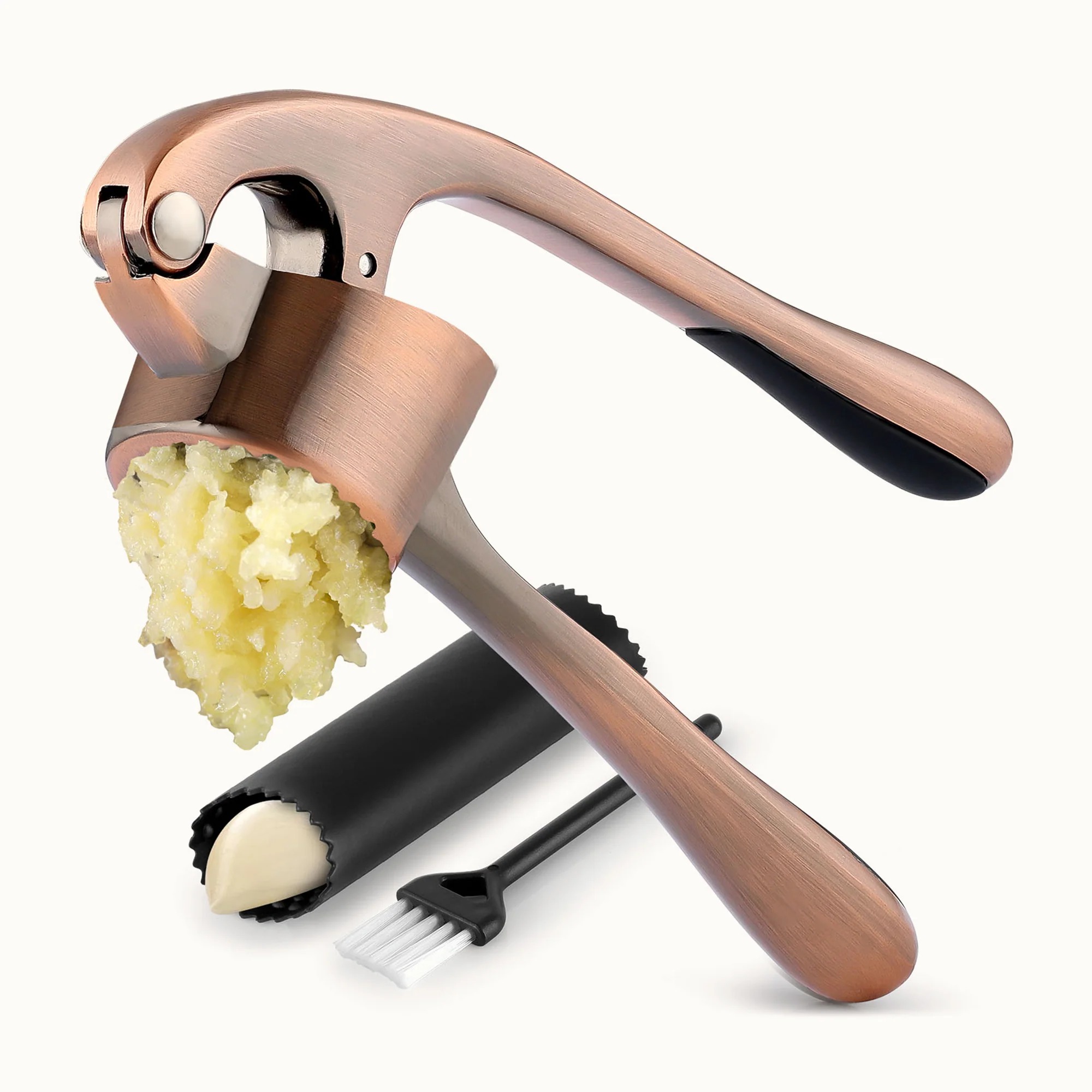
At its core, a garlic press tool is a clever kitchen gadget engineered to effortlessly crush garlic cloves. Typically, it features two handles connected by a hinge, a small chamber where you place the garlic clove, and a perforated plate. When you squeeze the handles, a plunger presses the garlic through the grid of tiny holes, instantly transforming a whole clove into a fine mince or paste. This ingenious mechanism simplifies preparation, making it a staple for quick, flavorful meals. What is a garlic press tool? A garlic press tool is a kitchen gadget that crushes garlic cloves through small holes, creating a fine mince or paste, simplifying preparation and enhancing flavor.
A Glimpse into the Past: The Evolution of the Garlic Press
Before the convenience of modern kitchen tools, preparing garlic was a labor of love, often involving manual mincing with knives or rudimentary pounding. The game-changer arrived in 1948 when Karl Zysset, a Swiss bicycle mechanic from Lyss, invented the modern garlic press. Inspired by the practical mechanics and leverage principles of bicycle brakes, Zysset developed a tool that revolutionized garlic preparation. His invention, originally named the “Susi 3,” was produced by his company, Zyliss, and quickly gained global popularity. While Zysset is widely credited for the modern design, some historical records also point to a 1945 patent by U.S. inventor Soloman Green for a handled garlic press, indicating that the desire for easier garlic preparation was a universal pursuit. Today’s garlic presses build upon these early innovations, continually evolving to offer enhanced durability, ease of use, and efficient cleaning.
Decoding the Design: Anatomy and Functionality
Understanding how a garlic press tool works can help you appreciate its efficiency and choose the right one for your culinary needs.
The Classic Lever-Action Design
The most common garlic press tool operates on a simple lever principle. You place a garlic clove into a basket-like chamber. As you bring the two handles together, a solid plunger pushes the clove against a sieve-like plate, forcing the garlic through its small perforations. The result is a consistent, finely minced garlic ready for your dish. Modern presses are crafted from various materials, with stainless steel being a popular choice for its durability, rust resistance, and hygienic properties. Other materials like zinc alloy or robust polycarbonate plastics are also used, offering different weights and aesthetic appeals.
Innovative Variations: Rockers, Twisters, and More
While the traditional lever-action press remains a favorite, the world of garlic press tools has expanded to include several inventive designs. Garlic rockers, for instance, are sleek, often stainless steel, tools that you place over a clove and “rock” back and forth to mince. Garlic twisters feature a rotary action with internal teeth that grind the garlic. Many contemporary designs also boast thoughtful additions like integrated cleaning tools—small brushes or plungers that fit into the holes to clear stubborn residue—or swing-out sieves that make cleaning even easier.
Unleashing Flavor: How to Use Your Garlic Press Tool Effectively
Using a garlic press tool is delightfully straightforward, yet a few tips can maximize its potential and ensure you get the best results every time.
Preparing Your Garlic
One of the most debated questions is whether to peel garlic cloves before pressing. The good news? Many garlic press tools are designed to handle unpeeled cloves, with the papery skin remaining in the chamber for easy disposal. This is a fantastic time-saver! However, for a finer mince and potentially easier cleanup, some cooks prefer to quickly peel the cloves beforehand. A simple trick for peeling is to gently smash the clove with the flat side of a knife or shake multiple cloves vigorously in a sealed jar to loosen the skins.
The Pressing Technique
Once your garlic is ready, simply open the press and place one or two cloves into the chamber. Position the press directly over your pot, pan, or bowl to catch the minced garlic. Then, squeeze the handles together firmly and steadily. You’ll see fine strands of garlic emerge through the holes. A little insider tip: a quick spray of cooking oil inside the chamber before you begin can make the garlic release even more smoothly and significantly ease the cleanup process afterward. How do I use a garlic press tool? To use a garlic press tool, place a peeled or unpeeled clove into its chamber, squeeze the handles firmly to push the garlic through the holes, then scrape the minced garlic into your dish.
Beyond Garlic: Versatile Uses of Your Kitchen Companion
While its name highlights its primary function, a garlic press tool is surprisingly versatile. Don’t let it be a one-trick pony in your kitchen!
- Mincing Ginger: For recipes that call for finely minced ginger, your garlic press tool can step in beautifully.
- Crushing Small Ingredients: Need to finely crush capers, olives, or anchovies for a tapenade or sauce? The press handles them with ease.
- Preparing Herbs and Nuts: For small quantities of herbs or nuts that need a fine texture, a quick pass through the press can save you time.
- Shallots and More: Small shallots can also be minced effectively, adding another layer of flavor to your dishes without extra chopping.
What else can I use a garlic press tool for? Besides garlic, a garlic press tool is handy for mincing ginger, crushing capers, olives, or anchovies, and preparing small amounts of herbs, nuts, or shallots.
Why Every Kitchen Needs a Garlic Press Tool: The Undeniable Benefits
The advantages of integrating a garlic press tool into your kitchen routine are numerous, making it a must-have for both novice cooks and seasoned home chefs.
Time-Saving Marvel
Let’s face it: mincing garlic by hand can be a fiddly, time-consuming task, especially for recipes requiring several cloves. A garlic press tool drastically speeds up this process, allowing you to prepare fresh garlic in seconds. This efficiency is invaluable on busy weeknights or when cooking for a crowd.
Consistent Texture and Enhanced Flavor
One of the stand-out benefits is the uniform consistency it produces. The finely minced garlic ensures even distribution of flavor throughout your dish. Moreover, pressing garlic releases more of its natural oils and potent compounds, like allicin, compared to chopping. This maximizes flavor intensity, giving your culinary creations a stronger aroma and taste profile.
Bye-Bye Garlic Fingers!
A common kitchen woe is the lingering garlic smell on your hands after chopping. The garlic press tool significantly reduces direct contact with the garlic, helping to keep those pungent odors off your skin.
Accessibility for All Skill Levels
For those with limited knife skills, hand strength issues (like arthritis), or simply a desire for greater kitchen safety, a garlic press tool is a true blessing. Its ergonomic design and lever-action mechanism make garlic preparation accessible and effortless for everyone.
What are the benefits of using a garlic press tool? Using a garlic press tool saves time, ensures consistent texture, enhances garlic flavor, prevents lingering odor on hands, and is easy for all skill levels, even allowing pressing of unpeeled cloves.
Choosing Your Perfect Garlic Press Tool: What to Look For
With various models on the market, selecting the best garlic press tool can seem daunting. Here are key features to consider:
- Material: Opt for high-grade stainless steel for longevity, rust resistance, and a non-reactive surface that won’t affect food taste.
- Ergonomics: Look for comfortable, non-slip handles that provide good leverage, minimizing hand strain.
- Cleaning Features: Integrated cleaning tools, swing-out sieves, or a design that is fully dishwasher-safe will make post-cooking cleanup a breeze.
- Capacity: Consider if you need a press that can handle a single clove or multiple cloves at once for larger batches.
- Performance: A good press should yield a fine, even mince with minimal unpressed garlic left behind.
Keeping It Squeaky Clean: Tips for Garlic Press Maintenance
A clean garlic press tool is an efficient one. Proper maintenance ensures its longevity and performance.
The golden rule for any garlic press is to clean it immediately after use. Garlic residue can harden quickly, making it notoriously difficult to remove later. If your press is dishwasher-safe, simply pop it in. For hand washing, rinse it under hot running water. Utilize any integrated cleaning tools, such as small brushes or plungers, to push out garlic bits stuck in the holes. A toothpick or a small, stiff brush can also be very effective for stubborn fragments. If you’ve pressed unpeeled garlic, simply remove the skin left in the chamber, which often comes out in one piece. For presses with swing-out sieves, detaching this part allows for more thorough cleaning. How do I clean a garlic press tool? Clean a garlic press tool immediately after use by rinsing under water, using an integrated cleaning tool or brush to remove stuck bits, and for many, placing it in the dishwasher.
The Great Debate: Garlic Press vs. Knife Mincing
For decades, a debate has simmered in culinary circles: is a garlic press tool a kitchen boon or a chef’s bane? Renowned chefs like the late Anthony Bourdain famously criticized the garlic press, arguing that pressing garlic over-releases its pungent compounds, leading to a harsher, less nuanced flavor compared to finely minced garlic prepared with a knife. This theory posits that the intense crushing action ruptures more cell walls, unleashing a flood of allicin that can dominate a dish.
However, for the everyday home cook, the advantages often outweigh these nuanced criticisms. The convenience, speed, consistency, and reduced mess offered by a garlic press tool are undeniable. It allows anyone, regardless of their knife skills, to quickly incorporate fresh garlic into their meals, enhancing flavor without the hassle. Ultimately, both methods have their place. A delicate dish might benefit from the subtle notes of hand-minced garlic, while a robust stir-fry or a quick weeknight pasta will shine with the intense flavor delivered by a pressed clove.
Expert Insights from “Smart Kitchen” Strategist Elena Petrova
“In my role at ‘Smart Kitchen,’ I constantly evaluate tools that genuinely enhance the home cooking experience,” shares Elena Petrova, our Senior Strategic Advisor and Key Market Analyst. “The modern garlic press tool is a perfect example. While culinary purists might debate its finer points, for the vast majority of home cooks, it’s an absolute game-changer. It perfectly balances efficiency with quality, making fresh garlic accessible and enjoyable to use. We see it as a cornerstone for empowering cooks to infuse more vibrant, homemade flavors into their daily meals.”
FAQs about Garlic Press Tools
Q: Is a garlic press better than mincing with a knife?
A: It depends on your priorities. A garlic press is faster and easier, producing a consistent mince with less effort and no sticky hands. Knife mincing allows for more control over texture and can yield a slightly milder flavor, preferred by some professional chefs. For home cooks, the press generally offers more convenience.
Q: Can I put unpeeled garlic in any garlic press?
A: Many modern garlic presses are designed to handle unpeeled cloves, with the skin staying in the chamber for easy disposal. However, some older or less robust models may perform better with peeled garlic, and peeling can sometimes result in a higher yield. Always check your specific model’s instructions.
Q: Do garlic presses affect the flavor of garlic?
A: Yes, the intense crushing action of a garlic press ruptures more of the garlic’s cell walls, releasing a higher concentration of allicin. This can result in a stronger, more pungent flavor compared to knife-minced garlic. Whether this is “better” or “worse” is a matter of personal preference and recipe requirements.
Q: What materials are best for a durable garlic press?
A: High-quality stainless steel is generally considered the best material for a durable, long-lasting garlic press. It resists rust, corrosion, and is non-reactive, ensuring it won’t impart unwanted flavors. Zinc alloy is another common choice, while sturdy plastics are often used for handles or specific parts.
Q: How do I remove the garlic smell from my hands after using a press?
A: Rubbing your hands on a stainless steel object (like your kitchen sink or the garlic press itself if it’s stainless steel) under cold running water can help neutralize garlic odors. You can also try a lemon juice or baking soda scrub.
Elevate Your Culinary Journey with the Right Garlic Press Tool
The garlic press tool might be small, but its impact on your cooking can be monumental. From saving precious time to delivering a burst of intense garlic flavor, it’s a smart investment for any kitchen. As you embark on your next culinary adventure, consider the convenience, efficiency, and sheer joy that the right garlic press tool can bring. Choose one that fits your style, embrace its versatility, and prepare to infuse your dishes with effortless garlic goodness. It’s time to say goodbye to tedious prep and hello to a world of intensified flavors, all thanks to this simple yet powerful kitchen essential.