In the fast-paced world of professional kitchens, where every second counts and consistency is king, the right tools are not just helpful—they’re indispensable. Among these culinary workhorses, the commercial garlic press stands out as an unsung hero, transforming a tedious, time-consuming task into a streamlined operation. Far beyond the capabilities of its household counterpart, a commercial garlic press is engineered for durability, high volume, and unparalleled efficiency, becoming a cornerstone for any establishment committed to fresh, flavorful ingredients and operational excellence. This guide will delve into why investing in a robust garlic press is a strategic move for restaurants, catering services, and any foodservice business.
|
Our Picks for the Best Garlic Press in 2026
As an Amazon Associate I earn from qualifying purchases.
|
||
| Num | Product | Action |
|---|---|---|
| 1 | Zulay Kitchen Premium Garlic Press Set - Rust Proof Professional Garlic Mincer Tool - Easy-Squeeze, Easy-Clean with Soft, Ergonomic Handle - Silicone Garlic Peeler & Brush (Silver) |

|
| 2 | KITCHENDAO Heavy-Duty Garlic Press with Built-in Scraper & Cleaning Pusher, No Peeling Garlic Crusher with Large Chamber, Zinc Alloy Garlic Mincer, Dishwasher Safe |
|
| 3 | Kitessensu High Effective Garlic Press With Studs, Heavy Duty Garlic Mincer, Easy to Squeeze and Clean, Rust Proof, Ginger Crusher- Imperial Silver |
|
| 4 | GORILLA GRIP Garlic Press and Peel Set, Heavy Duty Mincer Tool, Large Ergonomic Handle, Easily Mince and Crush Garlics, Ginger, Nuts, Seeds, Peeler Included, Peeling Cloves, Kitchen Gadgets, Black |
|
| 5 | Kitchen Garlic Press, Rust Proof & Dishwasher Safe Garlic Mincer, Durable Garlic Crusher Set with Peeler&Brush, Easy to Clean and Squeeze, Matte |
|
| 6 | OXO Good Grips Heavy Duty Garlic Press, Die-Cast Zinc, Black |
|
| 7 | No Peeling Required Garlic Press Stainless Steel with Detachable Handle for Fine Mincing-Premium Garlic Mincer Tool, Rust-Proof, Easy to Clean, Dishwasher Safe Garlic Crusher with Lifetime Replacement |
|
| 8 | Garlic Press Stainless Steel,Premium Garlic Mincer Tool,No Need to Peel Garlic Ginger Crusher & Masher Easy Squeeze Large Trough Ergonomic Handle,Rust Proof,Dishwasher Safe (5 Years Warranty) |
|
| 9 | Kuhn Rikon Epicurean Garlic Press, Stainless Steel, 6.5 x 1 x 1.5 inches, Silver |
|
| 10 | Vantic Garlic Press Rocker - Stainless Steel Garlic Crusher, Mincer and Chopper with Peeler & Scraper, Easy Kitchen Gadget for Effortless Smashing |
|
Why a Commercial Garlic Press is Indispensable for Foodservice
For any kitchen dealing with significant quantities of garlic, the benefits of a commercial garlic press quickly outweigh the initial investment. Unlike home presses, commercial models are designed to withstand the rigorous demands of daily, intensive use, processing pounds of garlic with ease. They are crucial for maintaining consistency in flavor and texture across dishes, a hallmark of professional cooking. The market for garlic presses is experiencing robust growth, particularly within the commercial segment, driven by the expanding foodservice industry and a growing trend towards kitchen automation.
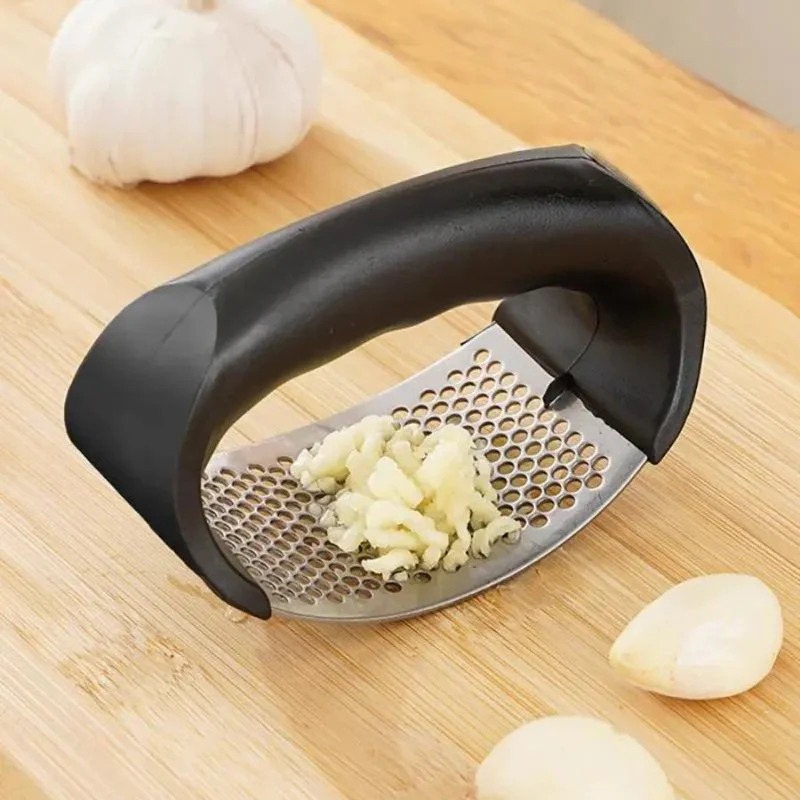
The primary advantages include:
- Speed and Efficiency: Dramatically reduces prep time compared to mincing garlic by hand, allowing kitchen staff to focus on more complex tasks.
- Consistent Results: Ensures uniform size and texture of minced garlic, leading to balanced flavors in every dish.
- Reduced Waste: Commercial presses are designed to extract more pulp from each clove, minimizing food waste.
- Enhanced Hygiene: Many models are designed for easy cleaning, contributing to a sanitary kitchen environment.
- Flavor Maximization: A good commercial press crushes garlic cells effectively, releasing potent allicin for maximum aroma and taste.
“In a high-volume kitchen, time is money, and consistency builds reputation,” says Chef Anya Sharma, a seasoned culinary consultant for award-winning restaurants. “A reliable commercial garlic press isn’t just a convenience; it’s a strategic asset that pays dividends in both efficiency and the quality of your finished product.”
Anatomy of a High-Performance Commercial Garlic Press
Understanding the components and design principles of a quality commercial garlic press is key to making an informed choice. These devices are built for longevity and performance under strenuous conditions.
Materials Matter: Durability and Hygiene
The choice of material is paramount for a commercial garlic press.
- Heavy-Duty Stainless Steel: This is the gold standard for commercial kitchen tools. Stainless steel offers exceptional durability, resistance to rust and corrosion, and is non-reactive with garlic’s pungent oils. It’s also incredibly easy to sanitize, meeting stringent food safety standards. Premium stainless steel models are highly sought after for their hygiene and sturdiness.
- Zinc Alloy: While often more budget-friendly, high-quality zinc alloy models can also offer good performance, especially if treated for corrosion resistance. However, stainless steel generally provides superior long-term durability for commercial use.
Design for Demanding Environments
Commercial presses feature specific design elements that enhance their functionality:
- Ergonomic Handles: For comfort and reduced strain during repetitive use, especially important for kitchen staff.
- Large Capacity Chambers: Designed to hold multiple garlic cloves, reducing the frequency of refills and speeding up processing.
- Sturdy Pivot Points and Levers: Reinforced to withstand the significant force applied, preventing breakage and ensuring smooth operation.
- Removable Components: Many high-end models feature parts that can be detached for thorough cleaning, ensuring no garlic residue is left behind.
Types of Commercial Garlic Presses: Choosing Your Kitchen’s Workhorse
The commercial market offers several types of garlic presses, each suited to different kitchen needs and volumes. Selecting the right one depends on your specific operational demands.
Manual Heavy-Duty Garlic Presses
- What are they? These are robust, often oversized versions of the traditional lever-style garlic press. They typically feature strong, comfortable handles and a large chamber.
- Best for: Medium to high-volume kitchens that prefer a hands-on approach and require precise control over the garlic texture. They are known for their reliability and simplicity.
Electric Garlic Choppers/Miners
- What are they? These devices automate the garlic processing, using blades to chop or mince garlic quickly. They range from small countertop models to larger, industrial units. Search interest for “garlic chopper” has significantly outperformed “garlic mincer” and “garlic grinder,” indicating a strong market preference.
- Best for: High-volume operations, catering services, or institutional kitchens where speed and consistency across massive quantities are critical. They minimize manual labor and often offer various chopping settings.
Specialized Commercial Garlic Press Designs
- Multi-functional Tools: Some presses are designed to do more than just garlic. Innovations like the NexTrend Garlic Twister combine pressing with herb-chopping functionality, appealing to users seeking versatility. These can be excellent for kitchens looking to consolidate tools.
- Peeling Mechanisms: Certain commercial systems integrate a peeling function, either through a roller or a specialized chamber, streamlining the entire garlic preparation process.
Selecting the Right Commercial Garlic Press: A Strategic Guide
Choosing the ideal commercial garlic press involves evaluating your kitchen’s unique requirements to ensure you invest in a tool that truly enhances efficiency and output.
Volume and Frequency of Use
- Consider: How much garlic do you process daily? Is it a consistent, high volume, or do you have occasional large batches?
- Impact: Higher volumes necessitate electric choppers or exceptionally durable manual presses with large capacities. For moderate use, a high-quality manual commercial garlic press might suffice.
Material and Durability: An Investment in Longevity
- Consider: The harsh environment of a commercial kitchen, including frequent washing and heavy use.
- Impact: Prioritize stainless steel for its unparalleled durability, hygiene, and resistance to wear and tear. A cheap press will quickly degrade under commercial strain, leading to higher replacement costs and potential downtime.
Ease of Cleaning and Maintenance
- Consider: The need for quick turnaround and strict sanitation protocols.
- Impact: Look for models that are dishwasher-safe, have removable parts, and minimal crevices where garlic residue can accumulate. Easy-clean mechanisms are a high demand feature.
Ergonomics for Kitchen Staff
- Consider: Your team’s comfort and prevention of repetitive strain injuries.
- Impact: Presses with soft, easy-squeeze ergonomic handles significantly improve user experience and reduce fatigue during long shifts.
Versatility and Multifunctionality
- Consider: If you can streamline other prep tasks with a single tool.
- Impact: A multi-functional commercial garlic press that can also handle ginger or other herbs might be a smart choice, aligning with market trends towards versatility.
Maximizing Your Commercial Garlic Press: Usage Tips and Best Practices
Once you’ve selected your commercial garlic press, proper usage ensures maximum efficiency and longevity.
- Prep Your Cloves: While some heavy-duty presses can handle unpeeled garlic, peeling the cloves beforehand generally yields cleaner results and extends the life of the press by reducing strain.
- Load Optimally: Don’t overload the chamber. Fill it appropriately to ensure even pressure and efficient crushing.
- Firm, Steady Pressure: Apply steady, even pressure rather than sudden, forceful jerks. This ensures maximum extraction and prevents damage to the mechanism.
- Clean Immediately: Garlic’s potent oils can dry and harden, making cleaning more difficult later. Rinse the press immediately after use.
Maintaining Your Investment: Care and Cleaning for Longevity
Proper care and cleaning are vital for extending the lifespan of your commercial garlic press and maintaining hygiene standards.
- Immediate Rinse: As soon as garlic is pressed, rinse the press under hot water. This helps prevent garlic residue from drying and sticking.
- Dishwasher Safe: Many high-quality stainless steel and certain zinc alloy models are dishwasher-safe, offering a convenient and hygienic cleaning method. Confirm this feature before purchasing.
- Detailed Cleaning: For presses with removable components, disassemble them regularly for a thorough cleaning. Use a small brush (often included) to clear any remaining pulp from the holes.
- Drying: Allow the press to air dry completely or dry it manually to prevent water spots and potential rust, especially on non-stainless steel parts.
- Storage: Store your commercial garlic press in a clean, dry place to protect it from damage and contamination.
Frequently Asked Questions
Q: What’s the main difference between a home and commercial garlic press?
A: A commercial garlic press is engineered for significantly higher durability, capacity, and efficiency, designed to withstand the intensive, daily demands of a professional kitchen, unlike lighter-duty home models.
Q: Are electric garlic choppers better for restaurants?
A: For very high-volume kitchens or those prioritizing automation, electric garlic choppers can be superior due to their speed, consistency, and reduced manual labor, especially given the rising search interest in “garlic chopper.”
Q: How do I clean a commercial garlic press effectively?
A: For effective cleaning, rinse immediately after use, preferably in a commercial dishwasher if it’s dishwasher-safe, or manually disassemble and scrub all components with hot soapy water and a small brush.
Q: What materials are best for durability in a commercial setting?
A: Heavy-duty stainless steel is generally considered the best material for a commercial garlic press due to its superior durability, corrosion resistance, and ease of sanitization, crucial for hygiene standards.
Q: Can I press unpeeled garlic with a commercial press?
A: While some robust commercial garlic presses can handle unpeeled garlic, peeling the cloves first often results in cleaner output and can extend the life of the press by minimizing strain on the mechanism.
Q: How often should a commercial garlic press be replaced?
A: The lifespan of a commercial garlic press depends heavily on its material quality, usage frequency, and maintenance. A high-quality stainless steel press, properly maintained, can last for many years, but regular inspections for wear and tear are recommended.
Conclusion
The commercial garlic press is much more than a simple kitchen gadget; it’s a vital piece of equipment that underpins efficiency, consistency, and flavor development in any professional culinary operation. By understanding the market trends, key features, and maintenance requirements, you can make a strategic investment that streamlines your food preparation, empowers your kitchen staff, and ultimately elevates the quality and speed of your service. For “Nhà Bếp Thông Minh,” focusing on ergonomic designs, robust stainless steel construction, and easy-clean features for commercial garlic presses will ensure a leading position in this growing market segment. Choose wisely, maintain diligently, and let this powerful tool unlock new levels of culinary excellence in your kitchen.