In the bustling heart of any kitchen, where flavors are born and meals come to life, even the simplest tools can become objects of desire. The Alessi garlic press stands as a testament to this philosophy, transforming a mundane task into an experience imbued with design and Italian flair. It’s more than just a kitchen gadget; it’s a piece of art, a conversation starter, and a functional workhorse that embodies Alessi’s unique vision of bringing poetry to everyday life. For the discerning home cook who appreciates the blend of utility and exquisite aesthetics, an Alessi garlic press isn’t just an option—it’s an essential statement.
The Alessi Legacy: Where Design Meets the Kitchen
Alessi, often referred to as “The Dream Factory,” has been at the forefront of Italian design since its inception in 1921. Founded by Giovanni Alessi, the company initially focused on crafting simple, refined household objects from metal. Over the decades, under the visionary leadership of his grandson, Alberto Alessi, the brand evolved into a cultural project, renowned for collaborating with an astounding array of global designers, artists, and architects. This unique approach blurs the lines between industrial production and artisanal craftsmanship, treating each object not merely as a product but as a piece of expressive design.
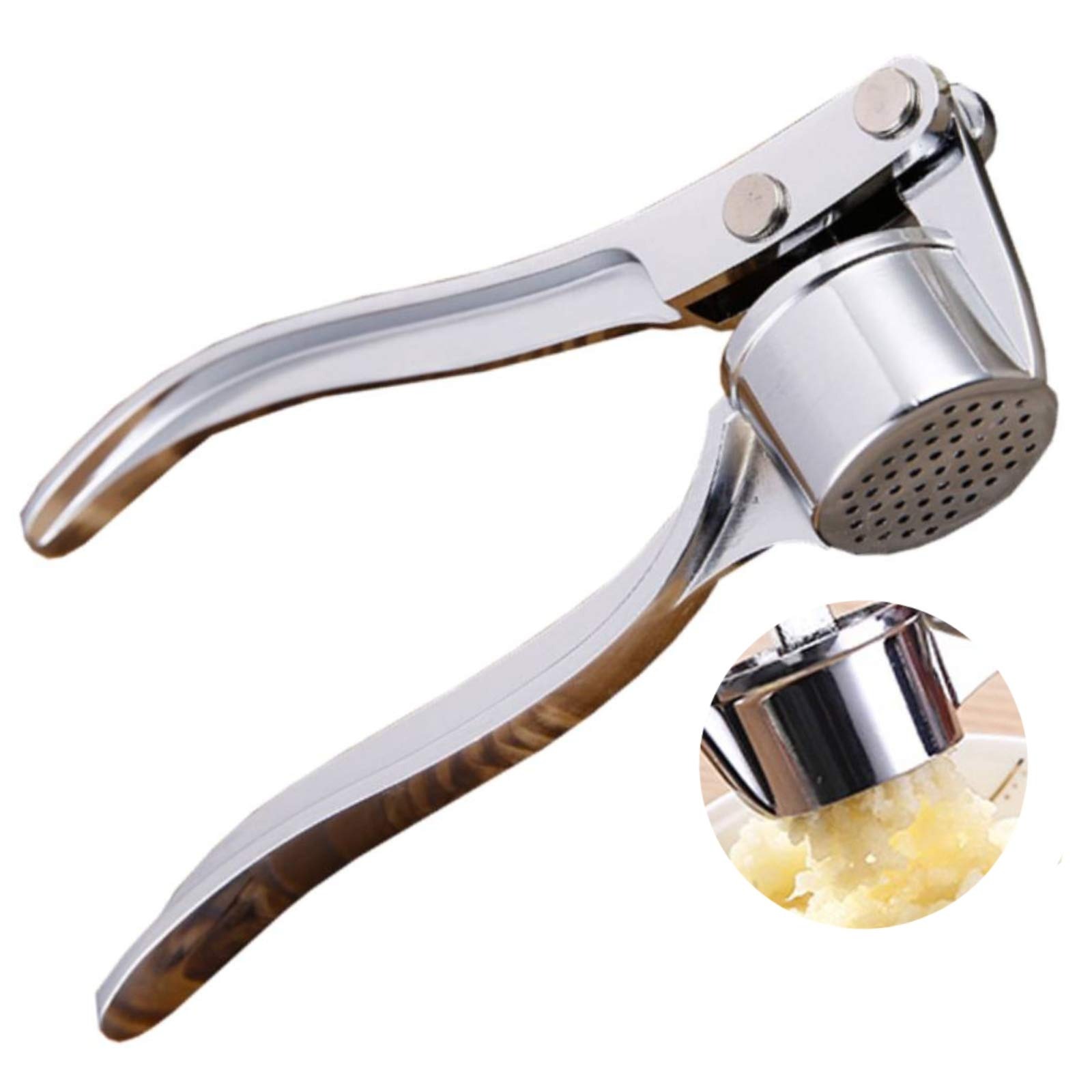
The Alessi philosophy is centered on transcending the sheer materiality of things, creating objects that evoke emotion, spark joy, and enrich lives. They aim to push the boundaries of what is possible, exploring new territories of contemporary creativity. This commitment to “design brightens everyday moments” is evident across their vast collection, including their distinctive range of kitchen tools. When you choose an Alessi kitchen tool, you’re not just buying an item; you’re investing in a piece of design history that speaks to a century of innovation and a passion for turning the ordinary into the extraordinary.
Unveiling the “Nonno di Antonio”: An Alessi Garlic Press Icon
Among Alessi’s most notable contributions to kitchenware is the iconic “Nonno di Antonio” garlic press, model GV04. Designed by the acclaimed Italian designer Guido Venturini in 1996, this piece perfectly encapsulates Alessi’s dedication to infusing common objects with personality and artistic form. Venturini, born in 1957, brought a whimsical yet functional sensibility to this particular Alessi garlic press, making it instantly recognizable and highly collectible.
The “Nonno di Antonio” emerged during a period in Alessi’s history where they actively sought out young designers and experimented with new materials beyond their traditional stainless steel. This openness to innovation allowed for the creation of unique items like the “Nonno di Antonio,” which, even years after its introduction, continues to be sought after by design enthusiasts.
|
Our Picks for the Best Garlic Press in 2026
As an Amazon Associate I earn from qualifying purchases.
|
||
| Num | Product | Action |
|---|---|---|
| 1 | Kitessensu High Effective Garlic Press With Studs, Heavy Duty Garlic Mincer, Easy to Squeeze and Clean, Rust Proof, Ginger Crusher- Imperial Silver |

|
| 2 | Zulay Kitchen Premium Garlic Press Set - Rust Proof Professional Garlic Mincer Tool - Easy-Squeeze, Easy-Clean with Soft, Ergonomic Handle - Silicone Garlic Peeler & Brush (Silver) |
|
| 3 | OXO Good Grips Heavy Duty Garlic Press, Die-Cast Zinc, Black |
|
| 4 | GORILLA GRIP Garlic Press and Peel Set, Heavy Duty Mincer Tool, Large Ergonomic Handle, Easily Mince and Crush Garlics, Ginger, Nuts, Seeds, Peeler Included, Peeling Cloves, Kitchen Gadgets, Black |
|
| 5 | Vantic Garlic Press Rocker - Stainless Steel Garlic Crusher, Mincer and Chopper with Peeler & Scraper, Easy Kitchen Gadget for Effortless Smashing |
|
| 6 | No Peeling Required Garlic Press Stainless Steel with Detachable Handle for Fine Mincing-Premium Garlic Mincer Tool, Rust-Proof, Easy to Clean, Dishwasher Safe Garlic Crusher with Lifetime Replacement |
|
| 7 | KITCHENDAO Heavy-Duty Garlic Press with Built-in Scraper & Cleaning Pusher, No Peeling Garlic Crusher with Large Chamber, Zinc Alloy Garlic Mincer, Dishwasher Safe |
|
| 8 | Garlic Press Stainless Steel,Premium Garlic Mincer Tool,No Need to Peel Garlic Ginger Crusher & Masher Easy Squeeze Large Trough Ergonomic Handle,Rust Proof,Dishwasher Safe (5 Years Warranty) |
|
| 9 | Kuhn Rikon Epicurean Garlic Press, Stainless Steel, 6.5 x 1 x 1.5 inches, Silver |
|
| 10 | Kitchen Garlic Press, Rust Proof & Dishwasher Safe Garlic Mincer, Durable Garlic Crusher Set with Peeler&Brush, Easy to Clean and Squeeze, Matte |
|
Anatomy of Elegance: Design and Mechanics of the Alessi Garlic Press
What sets the “Nonno di Antonio” Alessi garlic press apart is its intelligent use of materials and its distinctive, anthropomorphic design. Crafted from a combination of durable acetalic resin and high-quality stainless steel, it exemplifies Alessi’s blend of practicality and aesthetic appeal. The acetalic resin often gives the press a vibrant color, such as blue or yellow, making it a cheerful addition to any kitchen countertop. The stainless steel component, typically forming the pressing mechanism, ensures robust performance and longevity.
Measuring approximately 18.0 cm in height and 5.5 cm in diameter, its unique form allows it to be displayed upright, transforming a utilitarian object into a sculptural element when not in use. This thoughtful design eliminates the need to tuck it away in a drawer, allowing its artistic presence to enhance your kitchen décor. The mechanism itself is engineered for efficiency, designed to effortlessly crush garlic cloves, though specific performance notes like handling unpeeled cloves or ginger would vary by user experience. Alessi’s approach ensures that while the tool performs its primary function admirably, it does so with an unparalleled sense of style and tactile pleasure.
Beyond Beauty: Practical Use and Performance
While the visual appeal of an Alessi garlic press is undeniable, its core function is to make mincing garlic a quicker, cleaner, and more enjoyable process. Using an Alessi garlic press like the “Nonno di Antonio” is generally straightforward. You simply place a peeled or unpeeled garlic clove (depending on the press’s specific design and your preference) into the chamber and squeeze the handles together. The robust stainless steel press ensures that garlic is finely minced through the perforated plate, ready to be added to your dishes without the fuss and odor often associated with knife mincing.
For optimal performance, many users find that placing one or two cloves at a time works best to achieve a consistent, fine mince. The design often allows for easy extraction of the pressed garlic, minimizing waste. Unlike traditional presses that might leave bits clinging to the metal, the thoughtful construction of a designer piece aims for efficiency from start to finish. This not only saves time but also ensures that the full flavor of fresh garlic is extracted and incorporated into your culinary creations. The comfortable grip, often enhanced by the ergonomic shape of the resin handles, makes the pressing action feel smooth and controlled, even for those with limited hand strength.
Keeping Your Alessi Shine: Care and Maintenance
Maintaining the pristine condition and functionality of your Alessi garlic press is crucial for its longevity and continued aesthetic appeal. Given its construction from acetalic resin and stainless steel, specific care recommendations are important.
- Cleaning: While some stainless steel components might be dishwasher-safe, Alessi often recommends hand-washing for products containing plastic or resin parts to preserve their color and finish. After each use, it’s best to rinse the press under warm water immediately to prevent garlic residue from drying and hardening in the perforations. A small brush or a cleaning tool (sometimes included with garlic presses) can be highly effective in dislodging any stubborn pieces of garlic or skin.
- Drying: Thoroughly dry all components after washing to prevent water spots on the stainless steel and to ensure no moisture is trapped, which could potentially affect the resin over time.
- Storage: One of the joys of the “Nonno di Antonio” is its ability to stand upright. Storing it prominently on your kitchen counter or a shelf not only showcases its unique design but also keeps it readily accessible for your next culinary adventure. Avoid storing it in overcrowded drawers where it might get scratched or damaged by other utensils.
Proper care extends the life of your Alessi garlic press and keeps it looking as stunning as the day you acquired it, ensuring it remains a cherished tool in your kitchen for years.
The Alessi Advantage: Why Choose a Designer Garlic Press?
Choosing an Alessi garlic press goes far beyond mere functionality; it’s an embrace of a lifestyle that values beauty, innovation, and thoughtful design in every aspect of life. Here are some key advantages:
- Aesthetic Appeal: Alessi products are designed to be seen. They elevate the visual appeal of your kitchen, transforming everyday items into decorative elements. The “Nonno di Antonio,” with its playful form and vibrant color, is a prime example of this.
- Quality and Durability: While focusing on design, Alessi does not compromise on quality. The combination of high-grade stainless steel and robust acetalic resin ensures that the garlic press is built to last, offering reliable performance over time.
- Conversation Starter: Owning an Alessi piece invariably invites comments and questions. Its unique design makes it a focal point, sparking discussions about design, art, and the joy of cooking.
- Elevating Everyday Tasks: Alessi’s core mission is to make daily routines more enjoyable. A beautiful and well-designed garlic press can indeed make the act of cooking feel more refined and inspiring.
- Collectibility: Many Alessi designs, especially those by renowned designers like Guido Venturini, become collectible items. The “Nonno di Antonio” is a discontinued model featured in institutions like the Brooklyn Museum, adding to its prestige and value for collectors. This means it’s not just a tool, but potentially an appreciating asset.
Navigating the Market: Finding Your Alessi Garlic Press
Given that the “Nonno di Antonio” Alessi garlic press (Model GV04) designed by Guido Venturini was introduced in 1996 and has since been discontinued, finding a brand-new one through conventional retail channels is highly unlikely. This makes it a prized possession for collectors and those seeking unique, vintage design pieces.
For those eager to own this particular Alessi garlic press, the search will primarily lead to secondary markets. Online platforms specializing in pre-owned luxury items, design collectibles, or even general auction sites often feature such pieces. Keep an eye on reputable sellers who specialize in vintage Alessi kitchenware or modern design. When purchasing, always scrutinize photos for imperfections and verify the authenticity, as Alessi’s distinctive designs can sometimes be replicated. While it might require a bit of patience and a willingness to pay a premium for its design heritage and rarity, acquiring a “Nonno di Antonio” is a worthwhile endeavor for anyone who cherishes the fusion of art and utility in their kitchen.
Expert Insight: The Philosophy of Everyday Objects
“The true genius of Alessi lies not just in their beautiful forms, but in their ability to evoke emotion and elevate the mundane,” states Dr. Isabella Moretti, a renowned expert in industrial design. “The Alessi garlic press is a perfect microcosm of this. It takes a simple kitchen necessity and imbues it with a narrative, a personality. It reminds us that good design isn’t just about aesthetics; it’s about enriching our interaction with the world around us, one perfectly pressed clove of garlic at a time. This approach to product development fosters a deeper appreciation for the objects we use daily.”
Frequently Asked Questions about the Alessi Garlic Press
Q1: What makes the Alessi garlic press unique?
The Alessi garlic press, particularly models like the “Nonno di Antonio,” is unique due to its artistic design, collaboration with renowned designers, and Alessi’s philosophy of transforming everyday objects into functional works of art. It combines high-quality materials like stainless steel and durable resins with distinctive, often playful, aesthetics.
Q2: Who designed the “Nonno di Antonio” garlic press?
The “Nonno di Antonio” Alessi garlic press, model GV04, was designed by the Italian designer Guido Venturini. It was introduced in 1996 and is recognized for its unique form and material combination.
Q3: Is the Alessi garlic press still available for purchase?
The “Nonno di Antonio” Alessi garlic press is a discontinued model. While you won’t find it new in retail stores, it can occasionally be found through online marketplaces, design collectible platforms, or auction sites, making it a desirable item for collectors.
Q4: What materials are used in the Alessi garlic press?
The “Nonno di Antonio” Alessi garlic press is typically crafted from a combination of acetalic resin for its vibrant body and ergonomic handles, and high-quality stainless steel for the robust pressing mechanism, ensuring durability and efficient performance.
Q5: How do I clean my Alessi garlic press?
It is generally recommended to hand-wash your Alessi garlic press with warm, soapy water immediately after use to prevent garlic residue from drying. Use a small brush to clean the perforations. Thoroughly dry all parts to maintain their finish, especially those made of resin and stainless steel.
Q6: Why is Alessi considered a “design factory”?
Alessi is known as a “design factory” because of its century-long commitment to collaborating with an extensive network of designers, artists, and architects from around the world. They actively experiment with new materials and design languages, pushing creative boundaries to produce innovative and often poetic household objects that challenge conventional utility.
Conclusion
The Alessi garlic press embodies the very essence of Italian design: a harmonious fusion of functionality, innovative materials, and captivating aesthetics. While the “Nonno di Antonio” by Guido Venturini may be a discontinued masterpiece, its legacy continues to inspire and remind us that even the most utilitarian kitchen tools can be infused with personality and artistic value. Owning an Alessi garlic press is more than just simplifying a cooking task; it’s about bringing a piece of “The Dream Factory” into your home, enriching your daily life with exceptional design. So, the next time you reach for that humble garlic clove, consider elevating the experience with a touch of Alessi’s enduring elegance. Your kitchen—and your culinary adventures—will thank you for it.