Every home chef knows the magic a fresh clove of garlic can bring to a dish. It’s the unsung hero of countless recipes, adding depth, aroma, and that undeniable zing. But let’s be real, finely mincing garlic by hand can be a fiddly, sticky, and time-consuming affair, leaving your fingers with an aroma that lingers long after dinner is served. That’s where “The Best Garlic Press” enters the scene, transforming a tedious chore into a swift, simple squeeze, and revolutionizing your kitchen prep. It’s more than just a gadget; it’s your trusty sidekick for elevating everyday meals.
The Humble History and Modern Evolution of the Garlic Press
While the concept of crushing food is ancient, the dedicated garlic press as we know it is a relatively modern invention, gaining popularity in the mid-20th century. Before its arrival, cooks relied on knives, mortars and pestles, or even simple forks to break down garlic. The advent of the garlic press offered a brilliant shortcut, promising uniform mince and efficiency that kitchen enthusiasts quickly embraced. What began as a simple hinged device has evolved significantly, with brands continually innovating to address common pain points like cleaning and ease of use, leading to the sophisticated, heavy-duty, and often self-cleaning models we see today.
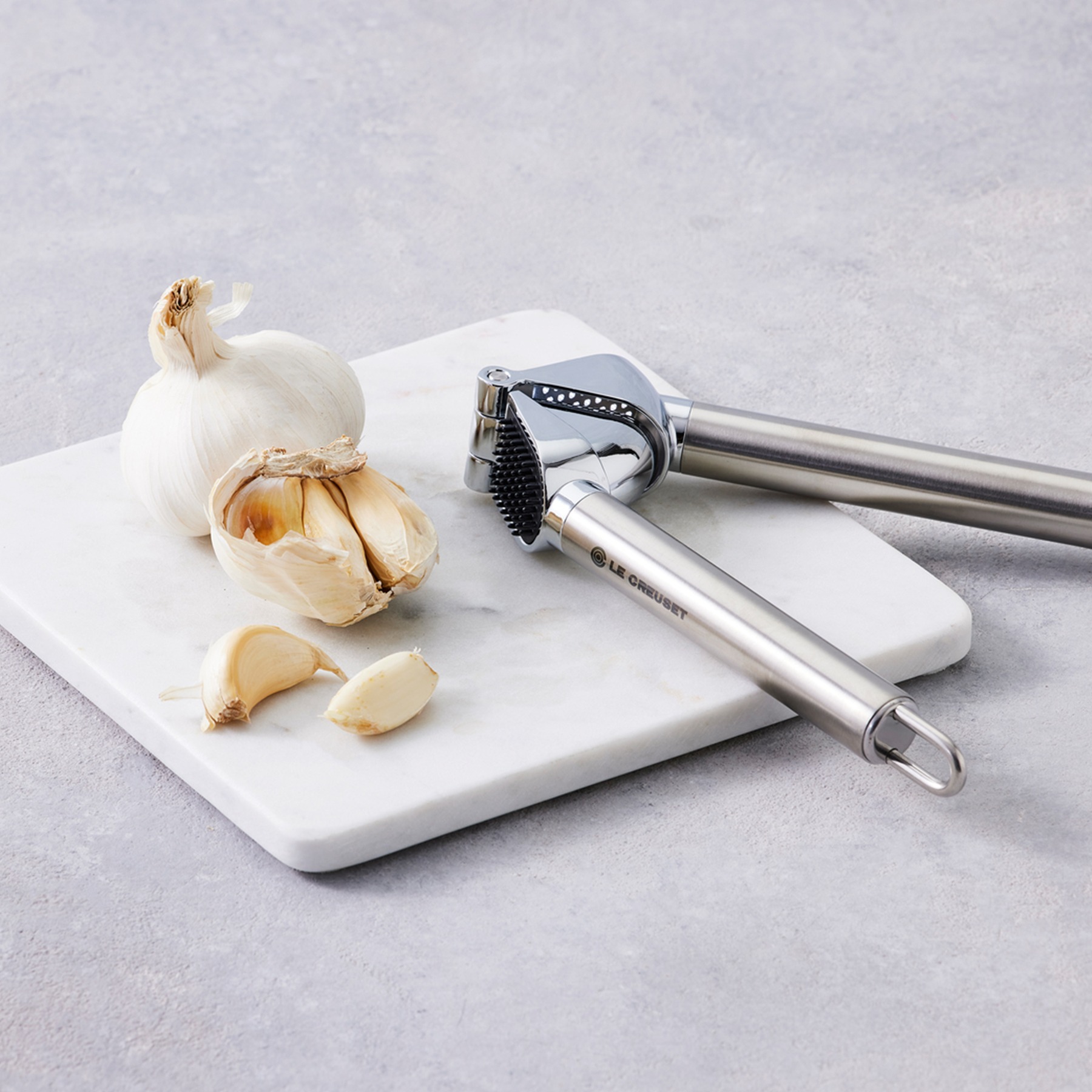
Anatomy of Efficiency: Understanding How a Garlic Press Works
At its core, a garlic press operates on a straightforward principle: leverage. Most traditional presses feature two handles connected by a hinge, with a chamber (or hopper) for the garlic and a perforated plate on one side. A plunger, attached to the opposing handle, pushes the garlic through these small holes when the handles are squeezed together. The magic lies in this extrusion process, which not only finely minces the garlic but also ruptures more cell walls than mere chopping, releasing a greater concentration of allicin – the compound responsible for garlic’s potent flavor and aroma. Beyond the classic design, you’ll also find rocking presses, which use a gentle rocking motion to crush cloves, and twisting presses, where you rotate two halves to grate the garlic. Each design aims for the same goal: effortlessly delivering that fresh garlic punch to your dishes.
Our Picks for the Best Garlic Press in 2026
As an Amazon Associate I earn from qualifying purchases.
Num
Product
Action
1
Kitessensu High Effective Garlic Press With Studs, Heavy Duty Garlic Mincer, Easy to Squeeze and Clean, Rust Proof & Dishwasher Safe, Ginger Crusher- Imperial Silver

2
GORILLA GRIP Garlic Press and Peel Set, Heavy Duty Mincer Tool, Large Ergonomic Handle, Easily Mince, Crush Garlics Ginger Nuts, Peeler Included for Peeling Cloves, Holiday Prep Kitchen Gadgets, Black
3
OXO Good Grips Stainless Steel Garlic Press
4
No Peeling Required Garlic Press Stainless Steel with Detachable Handle for Fine Mincing-Premium Garlic Mincer Tool, Rust-Proof, Easy to Clean, Dishwasher Safe Garlic Crusher with Lifetime Replacement
5
OXO Good Grips Heavy Duty Garlic Press, Die-Cast Zinc, Black
6
Kitchen Garlic Press, Rust Proof & Dishwasher Safe Garlic Mincer, Durable Garlic Crusher Set with Peeler&Brush, Easy to Clean and Squeeze, Matte
7
Zulay Kitchen Large Premium Garlic Press Set - Bigger Bowl for Bigger Garlic - Rust Proof Garlic Mincer Tool - Easy-Squeeze, Easy-Clean Silicone Garlic Peeler & Brush (Silver)
8
250ml Electric Garlic Chopper, Portable Garlic Press, Wireless Mini Food Processor, Rechargeable Garlic Chopper Mincer for Ginger, Chili, Onion, Minced Meat and Spices (Green)
9
Garlic Press, Premium Rust Proof Kitchen Garlic Mincer Crusher Squeezer with Ergonomic handle, Ginger Crusher with Good Grip, Easy to Clean, Dishwasher Safe
10
Zulay Kitchen Premium Garlic Press Set - Rust Proof Professional Garlic Mincer Tool - Easy-Squeeze, Easy-Clean with Soft, Ergonomic Handle - Silicone Garlic Peeler & Brush (Silver)
|
Our Picks for the Best Garlic Press in 2026
As an Amazon Associate I earn from qualifying purchases.
|
||
| Num | Product | Action |
|---|---|---|
| 1 | Kitessensu High Effective Garlic Press With Studs, Heavy Duty Garlic Mincer, Easy to Squeeze and Clean, Rust Proof & Dishwasher Safe, Ginger Crusher- Imperial Silver |
|
| 2 | GORILLA GRIP Garlic Press and Peel Set, Heavy Duty Mincer Tool, Large Ergonomic Handle, Easily Mince, Crush Garlics Ginger Nuts, Peeler Included for Peeling Cloves, Holiday Prep Kitchen Gadgets, Black |
|
| 3 | OXO Good Grips Stainless Steel Garlic Press |
|
| 4 | No Peeling Required Garlic Press Stainless Steel with Detachable Handle for Fine Mincing-Premium Garlic Mincer Tool, Rust-Proof, Easy to Clean, Dishwasher Safe Garlic Crusher with Lifetime Replacement |
|
| 5 | OXO Good Grips Heavy Duty Garlic Press, Die-Cast Zinc, Black |
|
| 6 | Kitchen Garlic Press, Rust Proof & Dishwasher Safe Garlic Mincer, Durable Garlic Crusher Set with Peeler&Brush, Easy to Clean and Squeeze, Matte |
|
| 7 | Zulay Kitchen Large Premium Garlic Press Set - Bigger Bowl for Bigger Garlic - Rust Proof Garlic Mincer Tool - Easy-Squeeze, Easy-Clean Silicone Garlic Peeler & Brush (Silver) |
|
| 8 | 250ml Electric Garlic Chopper, Portable Garlic Press, Wireless Mini Food Processor, Rechargeable Garlic Chopper Mincer for Ginger, Chili, Onion, Minced Meat and Spices (Green) |
|
| 9 | Garlic Press, Premium Rust Proof Kitchen Garlic Mincer Crusher Squeezer with Ergonomic handle, Ginger Crusher with Good Grip, Easy to Clean, Dishwasher Safe |
|
| 10 | Zulay Kitchen Premium Garlic Press Set - Rust Proof Professional Garlic Mincer Tool - Easy-Squeeze, Easy-Clean with Soft, Ergonomic Handle - Silicone Garlic Peeler & Brush (Silver) |
|
Pressing for Perfection: How to Effectively Use Your Garlic Press
Using a garlic press, especially the best garlic press on the market, is refreshingly simple, but a few pointers can elevate your experience from good to absolutely brilliant. First, break a clove or two (or even three, depending on your press’s capacity) from the bulb. Here’s a secret: many top-tier presses are designed to handle unpeeled garlic! The skins stay behind in the chamber, making cleanup surprisingly straightforward. Simply place the cloves into the hopper, ensure they’re nestled comfortably, and then bring the handles together with a firm, steady squeeze. You’ll see a beautiful, consistent garlic mince emerge from the holes. Use the edge of a spoon or a small knife to scrape the pressed garlic directly into your pot, pan, or bowl.
Pro Tip for a Smoother Experience
For even easier cleanup and to ensure every last bit of that pungent goodness is released, consider a small trick: before placing your garlic cloves, lightly mist the inside of the press’s chamber and perforated plate with a bit of cooking spray. This creates a non-stick surface that makes both the pressing and the post-use cleaning significantly smoother.
Beyond the Squeeze: Essential Tips for Maintaining Your Garlic Press
Even the most robust and “easy to clean garlic press” needs a little love to ensure its longevity and top performance. The golden rule of garlic press maintenance is to clean it immediately after use. Garlic residue, when left to dry, becomes incredibly stubborn and difficult to remove. Many modern garlic presses are dishwasher safe, which is a huge convenience. However, if you’re handwashing, start by rinsing it under warm, running water to dislodge any larger pieces. For those tiny bits caught in the holes, many high-quality presses come with built-in cleaning tools – a small brush or a set of pins designed to poke through each perforation. If your press doesn’t have one, an old toothbrush or a toothpick works wonders. For presses with a hinged screen, opening it fully allows for better access. A quick soak in warm, soapy water can also help loosen any dried-on garlic. As “Chef Antoine Dubois,” a renowned culinary innovator, often says, “A clean tool is a happy tool, and a happy garlic press means happy cooking!”
Why Pressing Matters: The Undeniable Benefits of a Quality Garlic Press
Why bother with a dedicated garlic press when you have a perfectly good knife? The advantages, particularly when you invest in “the best garlic press,” are manifold. Foremost is speed and convenience. What might take minutes of precise knife work can be done in seconds with a simple squeeze. Then there’s the consistent mince; a press delivers uniformly sized pieces, ensuring even flavor distribution in your dish, unlike a hand chop which can vary wildly. And let’s not forget the aroma factor – say goodbye to garlic-scented fingers! The press keeps your hands clean, preventing that lingering smell. Perhaps most importantly, the act of pressing ruptures garlic cells more thoroughly, releasing more allicin. This chemical reaction leads to a sharper, more intense garlic flavor, which can truly elevate your culinary creations.
Finding Your Perfect Match: Popular Types and How to Choose “The Best Garlic Press”
Selecting “the best garlic press” for your kitchen depends largely on your personal preferences, hand strength, and frequency of use. There are several popular types, each with unique characteristics.
Traditional Lever-Style Presses
These are the most common and what most people imagine when they hear “garlic press.” They consist of two handles, a hopper, and a perforated plate. Look for models made from heavy-duty stainless steel for durability and rust resistance. Ergonomic handles are crucial for comfort, especially if you plan to press many cloves. Features like built-in cleaning pins or peel ejectors are major bonuses for ease of cleaning.
Rocking Garlic Presses
A more modern take, these presses typically have a curved, perforated plate and a handle. You place garlic cloves under the plate and then rock it back and forth, using your body weight to crush the garlic through the holes. These are often lauded for being easier on the hands, making them a great choice for those with weaker grips or arthritis. They also tend to be very easy to clean as there are fewer crevices for garlic to hide.
Twisting/Grinding Garlic Presses
These often resemble small mills or grinders. You insert garlic cloves and then twist or rotate the mechanism to grate the garlic. They usually produce a very fine mince and are generally compact and easy to store. While they might require a bit more effort than a rocking press, they are still a vast improvement over manual chopping and are often praised for their efficient, waste-free design.
When choosing, consider material (stainless steel is often preferred for longevity), ease of cleaning (self-cleaning features are a game-changer), ergonomics (comfort in hand), capacity (how many cloves it can handle), and whether it can press unpeeled garlic.
Frequently Asked Questions About Garlic Presses
Is a garlic press better than mincing with a knife?
A garlic press offers a faster, more consistent mince and releases more allicin, leading to a stronger flavor. It also keeps your hands free from garlic odor, unlike knife mincing.
Can I put unpeeled garlic in a press?
Yes, many high-quality garlic presses are designed to handle unpeeled garlic cloves. The peel typically stays within the chamber, making it easy to discard.
How do I clean a garlic press effectively?
Rinse immediately after use. Many are dishwasher-safe. For handwashing, use a built-in cleaning tool, an old toothbrush, or a toothpick to clear the holes, then wash with warm, soapy water. Spraying with cooking oil beforehand can also aid cleaning.
Can a garlic press be used for other ingredients?
While primarily designed for garlic, some presses can also be used to mince peeled ginger (cut into small pieces), capers, or even olives, depending on their design and durability. Always check manufacturer instructions.
What material is best for a garlic press?
Heavy-duty stainless steel is widely considered the best material due to its exceptional durability, resistance to rust and corrosion, and ability to resist retaining odors.
How much pressure is needed to use a garlic press?
The amount of pressure varies by design. Ergonomic presses with comfortable handles generally require less force, making them easier for everyone to use, even when pressing multiple or unpeeled cloves.
The Final Squeeze: Investing in Your Culinary Convenience
In the grand scheme of kitchen tools, a garlic press might seem like a small item, but “the best garlic press” can profoundly impact your cooking experience. It’s an investment in efficiency, flavor, and enjoyment. From its humble beginnings to today’s innovative designs, the garlic press continues to prove its worth by transforming a sometimes-dreaded task into a joyful, effortless part of your culinary journey. So, whether you’re a seasoned chef or a home cook eager to infuse your meals with that distinctive garlic punch, take the plunge. Your taste buds, and your clean hands, will thank you!